

Substance use doesn’t just impact your health and wellness. It can ripple through your career, your unit, and your overall readiness.
To meet the unique demands of military life, the Substance Use Disorder Clinical Care (SUDCC) was developed.
You might remember this as ASAP, which now focuses on prevention, drug testing, and education. SUDCC is the clinical care component.
Here’s everything you need to know about SUDCC.

What Is SUDCC?
SUDCC (formerly ASAP or Army Substance Abuse Program) is the military’s standardized model for treating substance use disorder. It operates under guidance from the Department of Defense (DoD).
SUDCC is unit-aligned and co-located, meaning care is placed right where soldiers live and work. This setup improves access and continuity of care; you don’t have to leave your outfit to get help or attend treatment.
Clinics are embedded within the behavioral health system inside camps or stations. Providers are also well aware of the culture, training cycles, and operational demands of your unit.
Care happens in an outpatient setting. That means active duty personnel continue working while attending therapy and treatment sessions, depending on clinical recommendations.
The SUDCC program involves:
- Early identification of drug or alcohol abuse problems
- Comprehensive clinical assessment
- Individualized treatment planning
- Outpatient rehabilitation
- Evidence-based practices
- Ongoing monitoring and aftercare
SUDCC Is Evidence-Based
Evidence-based” is a term frequently used in health care, but in the context of substance use disorder treatment, it’s the standard for all treatment programs.
SUDCC ensures that service members receive effective care using methods that have been scientifically proven to improve treatment outcomes.
This includes:
- Cognitive Behavioral Therapy (CBT)
- Motivational Interviewing (MI)
- Relapse prevention planning
Who Is SUDCC For?
SUDCC serves active duty service members struggling with substance abuse and alcohol use disorder. That includes National Guard and Reservists on Title 10 orders (essentially active duty status).
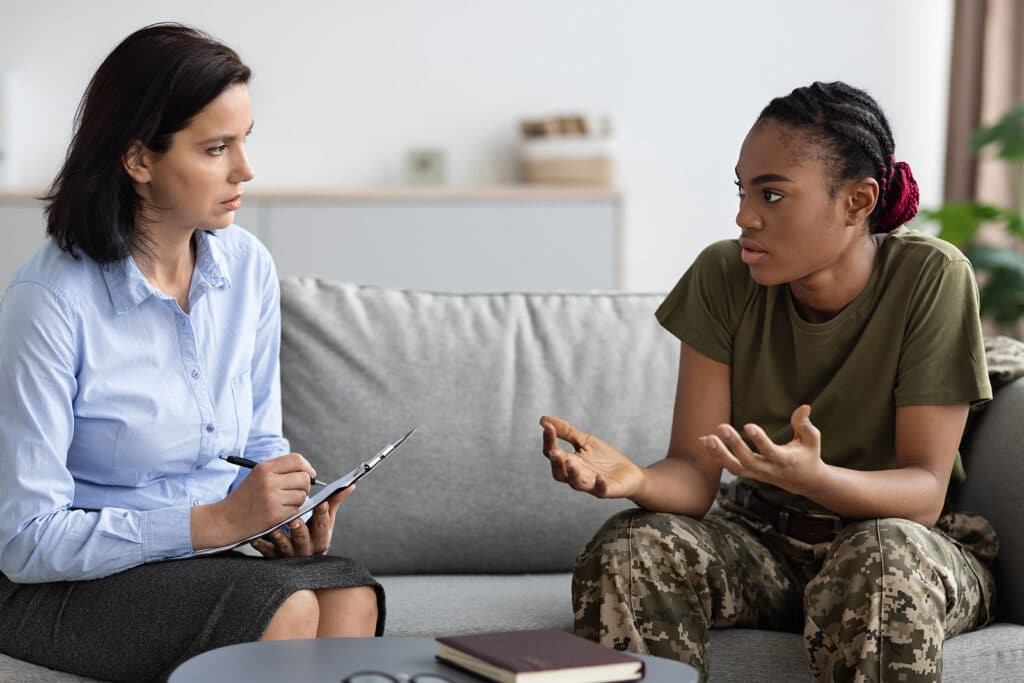
Because you’re in full-time capacity, you have direct access to the full range of behavioral health services provided by DoD. You’re the top priority for mission readiness.
Military family members, retirees, GS civilians, and contractors may also be seen in SUDCC clinics if space allows. Per MEDCOM protocol, clinics must ensure they have sufficient staff to provide consistent care and follow-up appointments before opening those slots.
If unavailable, family members can get treatment through TRICARE. They can also try the Employee Assistance Program (EAP), which offers free, confidential short-term counseling and referrals.
SUDCC vs. Traditional Rehab
Traditional rehab programs usually remove someone from their daily environment. That’s not always ideal for service members, which is why SUDCC is embedded inside the military behavioral health care clinics.
You attend individual and group therapy sessions while continuing to serve, if clinically appropriate. You practice coping skills in real time, too—at work, at home, in social settings.
Another major difference is the impact on your career. In civilian rehab, treatment is separate from career consequences. You may take medical leave or step away from work.
For soldiers, your job is part of the equation from the start. SUDCC operates alongside prevention, education, and risk reduction.
How SUDCC Works
A service member enters the SUDCC system of care when identified as needing help, whether through a referral or a drug/alcohol incident.
Here, incident refers to a DUI, a failed or missed urinalysis, or any other alcohol or drug-related violation under Army policy.
Here’s how it works:
1. Clinical Assessment
A social worker conducts a thorough biological, psychological, and social assessment with the service member.
Based on this assessment, the provider determines the necessary level of care:
- Enrollment in the SUDCC program (outpatient clinical treatment)
- Referral to ADAPT (Army Drug and Alcohol Prevention Training).
- Referral to residential treatment, intensive outpatient, or medical detoxification in a hospital.
The social worker who performs the initial evaluation becomes the service member’s case manager.
Note: Not everyone who has an incident enters long-term treatment. Soldiers who do not meet the clinical criteria for a disorder are referred to ADAPT for an intensive two-day educational intervention to prevent future incidents.
2. Treatment Planning
The next step is a structured treatment plan. Providers look at severity, mental health history, family dynamics, duty requirements, and overall health needs.
From there, they create a plan that may include:
- Weekly individual therapy
- Group counseling sessions
- Medication-assisted treatment referral
- Ongoing monitoring and drug testing
- Coordination with case managers or other behavioral health providers
Providers are required to keep the command team informed regarding the status of referrals and a soldier’s progress in treatment. They must report military readiness—whether a soldier is deployable or if their current treatment requires a temporary profile or duty limitation.

How Referral Works
Here’s a quick look at how you get into the right program:
| Referral Type | Entry Point | Outcome |
| Self-Referral | Soldier visits SUDCC | Clinical assessment; protected status if no prior incident |
| Command Referral | Commander directs to SUDCC | Mandatory screening; enrollment in treatment or ADAPT |
| Medical Referral | Doctor directs to SUDCC | Assessment of health needs and treatment planning |
| Incident (DUI/Positive Test) | ASAP/Command to SUDCC | Mandatory screening and mandatory ADAPT enrollment |
Should You Self-Refer?
If you acknowledge that you have a substance abuse problem, the best course of action is to self-refer before an incident occurs. This can save your career, whereas waiting for a “bust” can end one.
However, there are limits:
- You cannot self-refer on Monday to fix a DUI that happened over the weekend.
- You cannot self-refer once you’ve been notified of a pending urinalysis or after you’ve already failed one.
- You cannot be selling or distributing illicit drugs.
Civilian Treatment Options for Service Members, Veterans, and Military Families
While SUDCC is the right entry point for most active-duty soldiers, civilian treatment is sometimes the better fit. Allure Detox operates a Military Substance Abuse Program in West Palm Beach, Florida, and accepts TRICARE. We work with:
- Veterans accessing care through TRICARE or VA community care referrals
- Military family members and retirees eligible for TRICARE coverage
- National Guard and Reserve members not on Title 10 orders
- Service members referred out by SUDCC for residential or medical detox when on-post capacity is unavailable
We offer medical detox and residential treatment for substance use disorder, with the length of stay tailored to clinical need rather than a fixed schedule. When you’re stepping down from a military program or coordinating care with a referring provider, we work directly with that provider to maintain continuity.
If you’re an active-duty soldier without a referral, your first step is your installation’s SUDCC clinic. If you fall into one of the categories above and want to learn more about civilian treatment, see our Military Substance Abuse Program page or contact our admissions team to verify coverage.
Final Thoughts
Substance abuse affects quality of life and the ability to perform your duty. But with the right system of care, recovery is possible.
Substance Use Disorder Clinical Care (SUDCC) uses the best science available to help you get better and more prepared for mission order. It’s a structured, evidence-based substance use disorder treatment within the military health system.
SUDCC prioritizes health needs, respects the realities of active duty service, and supports both individual wellness and mission readiness.
If you’re ready to make that change, don’t hesitate to reach out to a SUDCC provider in your brigade area.
FAQs
What is the difference between SUDCC and ASAP?
Does SUDCC affect your military career?
How Long Is SUDCC in the Army?
Written by: The Allure Detox Editorial Team
Published on: March 1, 2026
Updated on: May 4, 2026