



Imagine a scenario where someone is severely dehydrated, perhaps from excessive alcohol consumption, like a hangover, or a debilitating illness that has left them unable to keep food down. They’re weak, disoriented, and their body is crying out for essential nutrients. In walks a medical professional, not with a magic wand, but with a seemingly simple yellow IV bag. This, my friend, is the “Banana Bag”—a humble yet powerful tool in modern medicine that quickly became a lifesaver in countless emergency rooms and clinics.
While its name might evoke images of fruit, the Banana Bag is far more sophisticated than a simple snack. It’s a carefully crafted intravenous solution designed to rapidly replenish crucial vitamins, minerals, and fluids, offering a swift path to recovery for those whose bodies are severely depleted. It’s not a cure-all, but it’s a vital first step in stabilizing patients and addressing immediate, life-threatening deficiencies. So, let’s pull back the curtain and understand what makes this yellow pouch such a remarkable intervention.
What Exactly is a “Banana Bag”? Unpacking the Name
The term “Banana Bag” isn’t an official medical designation; it’s a nickname, a testament to its distinctive appearance. But like many nicknames, it succinctly captures the essence of what it is and what it does.
The Color: A Glimpse into its Contents
The most striking feature of a Banana Bag is its vibrant, yellow hue. This isn’t just for aesthetics. The color comes primarily from one of its key ingredients: multivitamins, specifically the B-complex vitamins, such as riboflavin (Vitamin B2), which imparts a distinct yellow color to solutions. This visual cue immediately tells medical staff and even patients that this isn’t just plain saline—it’s a potent brew of essential nutrients.
The “Bag”: A Delivery System
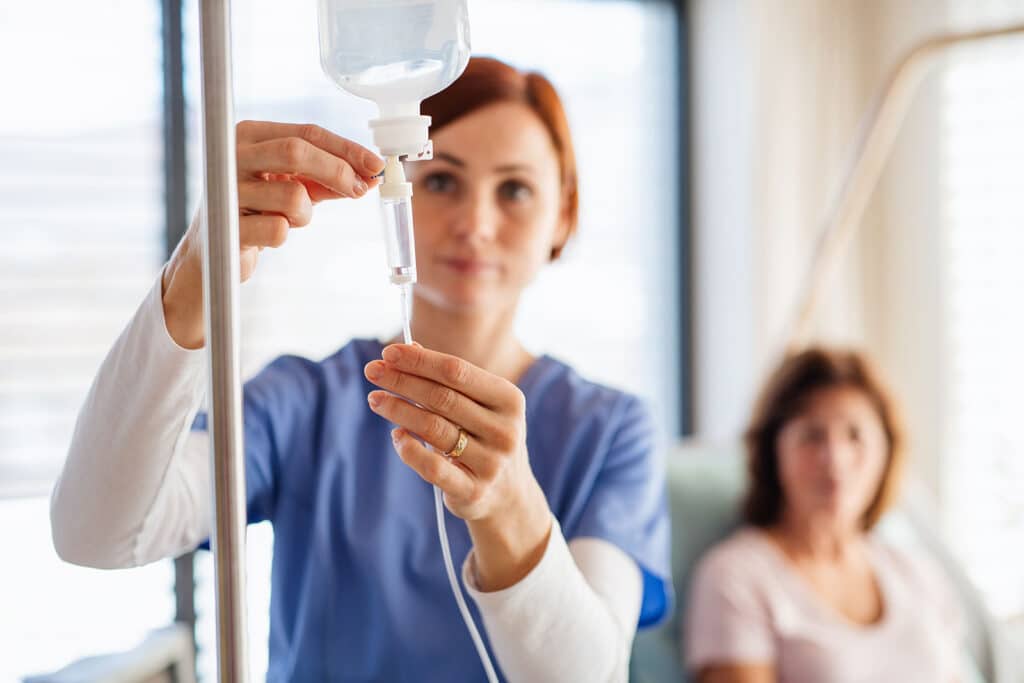
The “bag” refers to the intravenous (IV) delivery method. Unlike pills that must navigate a compromised digestive tract, these fluids are delivered directly into the bloodstream. This is a critical distinction for recovery speed:
- Immediate Saturation: IV thiamine reaches peak plasma concentration immediately.
- The “Ceiling” of Oral Meds: In contrast, the human body has a strict absorption “ceiling” for oral thiamine—typically limited to just 4.5 mg per dose in healthy adults. In patients with severe illness or gut inflammation, that number drops even further, making oral supplements insufficient for emergency replenishment.
The Potent Cocktail: What’s Inside a Banana Bag?
Think of the Banana Bag as a highly concentrated, life-supporting cocktail. Each ingredient is carefully chosen to address specific, common deficiencies seen in acutely ill patients. It’s not a random mix; it’s a targeted intervention.
Magnesium: The Muscle Relaxer
Magnesium sulfate ($MgSO_4$) is a powerhouse mineral. In the context of Alcohol Use Disorder (AUD), replenishment is vital because hypomagnesemia (low magnesium) occurs in 25% to 30% of those with AUD, and in up to 60% of hospitalized cases. Without correcting magnesium levels, the body struggles to utilize the other vitamins in the bag. Low magnesium can lead to tremors, muscle cramps, seizures, and even cardiac arrhythmias. Administering magnesium rapidly helps stabilize these functions and alleviate distressing symptoms.
Thiamine (Vitamin B1): The Energy Catalyst
Thiamine is the most time-sensitive ingredient. Chronic alcohol use is a notorious cause of deficiency, affecting up to 80% of those with AUD. This deficiency can lead to Wernicke-Korsakoff Syndrome (WKS), which is present in roughly 12.5% of chronic alcohol users. The stakes are high: without rapid intervention, WKS carries a staggering 20% mortality rate.
Folate (Vitamin B9): The Cell Builder
Folate (also known as folic acid or Vitamin B9) is another B vitamin vital for cell growth and DNA synthesis. It’s particularly important for the production of red blood cells. Deficiency can lead to a type of anemia called megaloblastic anemia, where red blood cells are abnormally large and inefficient at carrying oxygen. Malnutrition, often seen in chronic illness or alcohol abuse. Clinical research indicates that 60% of chronic alcoholics suffer from low serum folate levels. This is due to a “double hit”: the body struggles to absorb it through the intestines while simultaneously losing it through increased urinary excretion. The Banana Bag helps replenish this essential building block, supporting healthy cell function and preventing anemia.
Multivitamins: A Broader Spectrum of Support
While magnesium, thiamine, and folate are often highlighted, some banana bag formulations also include vitamin B12 (cobalamin), which supports nerve function and red blood cell formation, along with other B vitamins and sometimes vitamin C. These additional vitamins act synergistically, supporting various metabolic processes, immune support, and overall cellular health. They provide a comprehensive nutritional boost when the body’s reserves are severely compromised.
Some formulations also include dextrose (glucose) to provide immediate energy to cells, particularly beneficial when patients haven’t been able to eat or their blood sugar is dangerously low.
Saline Solution: The Foundation for Rehydration
All these vital nutrients are dissolved in a normal saline (0.9% sodium chloride solution). The saline itself is crucial for rehydration, restoring fluid balance, and correcting electrolyte deficiencies that often accompany severe dehydration, vomiting, or diarrhea. It’s the vehicle that carries the precious cargo throughout the body.
Why the Banana Bag? Understanding Its Primary Uses
The Banana Bag isn’t a general wellness IV therapy; it’s a targeted intervention for specific, often acute, medical situations where rapid nutrient replenishment and rehydration are paramount, when oral supplementation isn’t possible or fast enough.
Alcohol doesn’t just “wash out” nutrients; it actively blocks their uptake. By providing a direct-to-bloodstream infusion, the Banana Bag bypasses the damaged gastrointestinal tract to deliver the following clinical results:
| Nutrient | Deficiency Rate in AUD | Primary Risk |
| Thiamine (B1) | ~80% | Wernicke-Korsakoff Syndrome |
| Folate (B9) | ~60% | Megaloblastic Anemia |
| Magnesium | 25% – 60% | Cardiac Arrhythmias & Seizures |
Combating Alcohol-Related Nutritional Deficiencies
This is arguably the most common and historically significant use of the Banana Bag. Chronic alcohol consumption severely impairs nutrient absorption, increases nutrient excretion, and often leads to poor dietary intake. This perfect storm results in profound deficiencies, especially of thiamine, folate, and magnesium. The Banana Bag provides immediate, direct access to these critical nutrients, helping prevent or reverse neurological damage, stabilize vital signs, and support the body’s detoxification processes.
Addressing Malnutrition in Chronic Illness
Patients with conditions like severe Crohn’s disease, ulcerative colitis, or other malabsorption syndromes often struggle to absorb nutrients from food, even when they are eating. During acute flare-ups or periods of severe illness, their nutritional status can plummet. The Banana Bag offers a vital lifeline, bypassing the compromised digestive system to deliver essential vitamins and minerals directly into the bloodstream.
Supporting Recovery in Severe Vomiting or Diarrhea
When someone is experiencing severe and prolonged vomiting or diarrhea, they lose not only fluids but also electrolytes and vitamins at an alarming rate. Oral rehydration might be impossible due to persistent vomiting, and their body simply can’t hold down food or supplements. The Banana Bag provides rapid rehydration and nutrient replenishment, helping stabilize the patient and prevent complications like electrolyte imbalances and organ damage.
Emergency Room Staple: A Rapid Intervention
In the fast-paced environment of an emergency room, time is often of the essence. Patients arrive in various states of distress, and quickly stabilizing their condition is the top priority. For individuals presenting with severe dehydration, malnutrition, or altered mental status due to suspected vitamin deficiencies (especially in cases of suspected alcohol intoxication or chronic illness), the Banana Bag is a go-to intervention. It provides a rapid, broad-spectrum nutritional boost that can significantly improve patient outcomes while further diagnostic tests are being conducted.
Beyond the Immediate: How the Banana Bag Works Its Magic
The benefits of a Banana Bag extend beyond simply introducing nutrients. It kickstarts a cascade of positive physiological changes.
Restoring Electrolyte Balance
The saline solution in the bag, along with the magnesium, helps to normalize the body’s delicate electrolyte balance. Electrolytes like sodium, potassium, calcium, and magnesium are crucial for nerve impulses, muscle function, and maintaining proper fluid levels. When these are out of whack, serious complications can arise, including cardiac arrhythmias and seizures.
Replenishing Essential Vitamins
By directly delivering high doses of thiamine, folate, and other B vitamins, the Banana Bag rapidly replenishes depleted stores. This is particularly vital for enzymatic reactions that are necessary for energy production, DNA repair, and neurotransmitter synthesis. It’s like giving a starved engine the fuel it desperately needs.
Improving Neurological Function
The rapid delivery of thiamine is particularly impactful for neurological function. By restoring this critical co-factor for glucose metabolism in the brain, it can help reverse or prevent the cognitive impairments associated with Wernicke-Korsakoff Syndrome, which can lead to Wernicke’s encephalopathy (acute stage) and Korsakoff syndrome (chronic stage), reduce tremors, and improve overall mental clarity in individuals suffering from severe deficiencies.
Who Benefits Most from a Banana Bag? Identifying the Candidates
While not for everyone, specific populations stand to gain the most from a Banana Bag.
Individuals with Alcohol Use Disorder
As repeatedly emphasized, chronic alcohol abuse is a prime indication due to the profound nutritional deficiencies it causes. The Banana Bag is a standard part of detoxification protocols, especially in emergency settings.
Patients with Crohn’s Disease or Ulcerative Colitis
During acute flares or severe disease, the inflamed gastrointestinal tract often cannot absorb nutrients effectively. A Banana Bag can bridge this nutritional gap, providing essential vitamins and fluids to support recovery and reduce symptoms of severe depletion.
Those Recovering from Bariatric Surgery
Post-bariatric surgery patients, especially in the early stages, can be at risk for certain nutrient deficiencies due to altered digestion and absorption. In cases of severe nausea, vomiting, or malabsorption post-op, a Banana Bag might be used to provide temporary nutritional support.
Anyone Experiencing Severe Dehydration and Nutrient Depletion
Beyond specific diagnoses, anyone presenting with severe dehydration accompanied by clinical signs of nutrient depletion (e.g., confusion, muscle cramps, weakness, tremors) due to any cause—be it hyperemesis gravidarum (severe morning sickness), prolonged fever, or severe food poisoning—could be a candidate.
Important Considerations and Misconceptions About Banana Bags
While powerful, it’s crucial to understand what a Banana Bag is and isn’t.
Not a Cure-All: Understanding its Limitations
The Banana Bag is a supportive treatment, not a cure for underlying conditions. It addresses acute deficiencies and stabilizes the patient, but it doesn’t resolve the root cause of the problem. For example, it won’t “cure” alcohol use disorder, nor will it heal inflamed bowels in Crohn’s disease. It’s a bridge to further, more comprehensive treatment.
Medical Supervision Required: This Isn’t a DIY Fix
Administering an IV infusion, especially one containing active pharmacological agents like magnesium, carries risks. Incorrect administration can lead to complications such as infection, fluid overload, or adverse reactions to the medications. Therefore, Banana Bags should only be administered by trained healthcare professionals in a supervised clinical setting. This is not something you can, or should, attempt at home.
The Importance of Addressing Underlying Issues
The Banana Bag provides immediate relief and stabilizes the patient. However, the long-term solution lies in addressing the underlying cause of the nutrient depletion. This could involve treatment for alcohol use disorder, dietary modifications, ongoing oral supplementation, or management of chronic diseases. The Banana Bag is often just the first step on a longer journey to health.
Looking Ahead: The Banana Bag’s Role in Modern Medicine
The Banana Bag, in its current form or with minor variations, will undoubtedly continue to be a cornerstone of acute care medicine. Its simplicity, effectiveness, and rapid action make it an invaluable tool for stabilizing patients with severe nutritional deficiencies. As our understanding of micronutrient importance grows, and as populations face diverse health challenges, the principles embodied by the Banana Bag—rapid, targeted replenishment of essential nutrients—will remain crucial. It’s a reminder that sometimes, the most effective interventions are those that restore the body’s fundamental building blocks.
Key Takeaways: Your Essential Guide to the Banana Bag
The “Banana Bag” is a yellow-colored intravenous (IV) fluid containing a critical cocktail of vitamins (primarily B vitamins like thiamine and folate) and minerals (like magnesium), dissolved in a saline solution. It’s not a fruit-flavored drink, but a life-supporting medical intervention.
Its primary purpose is to rapidly replenish essential nutrients and rehydrate individuals suffering from severe deficiencies, often due to chronic alcohol abuse, malnutrition from chronic illness, or severe vomiting/diarrhea. The distinctive yellow color comes from the B vitamins it contains, particularly riboflavin.
Key ingredients like magnesium help relax muscles and stabilize nerve function, while thiamine is vital for preventing neurological damage, especially in alcoholics. Folate supports cell growth, and the saline solution ensures rapid rehydration and electrolyte balance.
While incredibly effective in acute situations, remember that a Banana Bag is a supportive iv treatment, not a cure. It must be administered under strict medical supervision and is always part of a larger plan to address the underlying health issues. It’s a powerful tool for immediate stabilization, paving the way for long-term recovery.
References
- NIAAA: “Alcohol’s Role in Thiamine Deficiency and Cerebral Encephalopathy.”
- Zuccoli et al.: “Wernicke Encephalopathy: MR Findings,” American Journal of Neuroradiology.
https://pubmed.ncbi.nlm.nih.gov/17698536
- Palmer & Clegg: “Electrolyte Disturbances in Patients with Chronic Alcohol Use,” CJASN.
https://pubmed.ncbi.nlm.nih.gov/28976856
- Smithline et al.: “Thiamine absorption in the GI tract,” Annals of Emergency Medicine.
https://pubmed.ncbi.nlm.nih.gov/22305197
Written by: The Allure Detox Editorial Team
Published on: March 27, 2026
Updated on: August 27, 2026