


In 2023, around 11.4% of Americans used antidepressants to mitigate their depressive symptoms. Fluoxetine, commonly known by its brand name Prozac, is one of the most prescribed antidepressants.
If you’re currently taking this medication, you might wonder whether it’s safe to have an occasional drink. In short, it isn’t recommended to mix fluoxetine and alcohol.
While it won’t necessarily cause a medical emergency, combining the two can amplify potential side effects and worsen your mental health issues. Let’s help you better understand these risks.
What Is Fluoxetine (Prozac)?
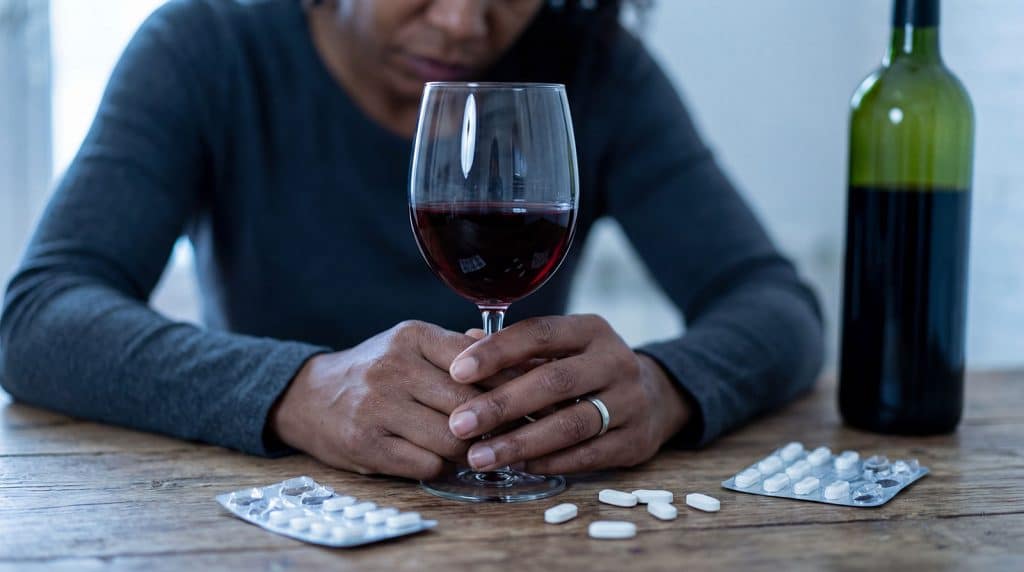
Fluoxetine is a selective serotonin reuptake inhibitor, or SSRI. It’s an antidepressant that treats major depressive disorder, anxiety, and obsessive-compulsive disorder (OCD). The medication works by affecting neurotransmitter levels in your brain, specifically serotonin.
Here’s how it functions: Neurons in your brain communicate through chemical signals. One neuron releases a neurotransmitter, and another catches it with the proper receptors.
Fluoxetine blocks the reuptake of serotonin, which means more of it stays available in your brain. Increased serotonin levels help regulate your mood and reduce symptoms of depression.
Fluoxetine also treats panic disorder and certain eating disorders. The FDA approved it decades ago, making it one of the first SSRIs available for the public. Further, unlike other antidepressants, fluoxetine can remain active for up to two weeks after your last dose.
Can You Drink Alcohol While Taking Fluoxetine?
Technically, drinking on fluoxetine isn’t strictly prohibited like it is with some other medications.
However, that doesn’t mean it’s a good idea. Alcohol can amplify the nervous system side effects of fluoxetine. You might experience increased dizziness, drowsiness, and difficulty concentrating. Some also notice impaired thinking and judgment when they combine the two.
Additionally, the effects of alcohol feel stronger when you’re taking fluoxetine. You could get drunk faster or experience more intense hangovers. Your mental health symptoms might temporarily worsen, too.
In any case, if you do choose to drink occasionally, moderation is key. But if you find yourself regularly wondering about drinking while on fluoxetine, that’s worth exploring with your healthcare provider. They can discuss healthier coping strategies with you.
Should You Skip Your Fluoxetine to Drink Alcohol?
Absolutely not. You shouldn’t skip your prescribed fluoxetine dose just to drink alcohol. This approach can actually cause more harm than the occasional drink itself.
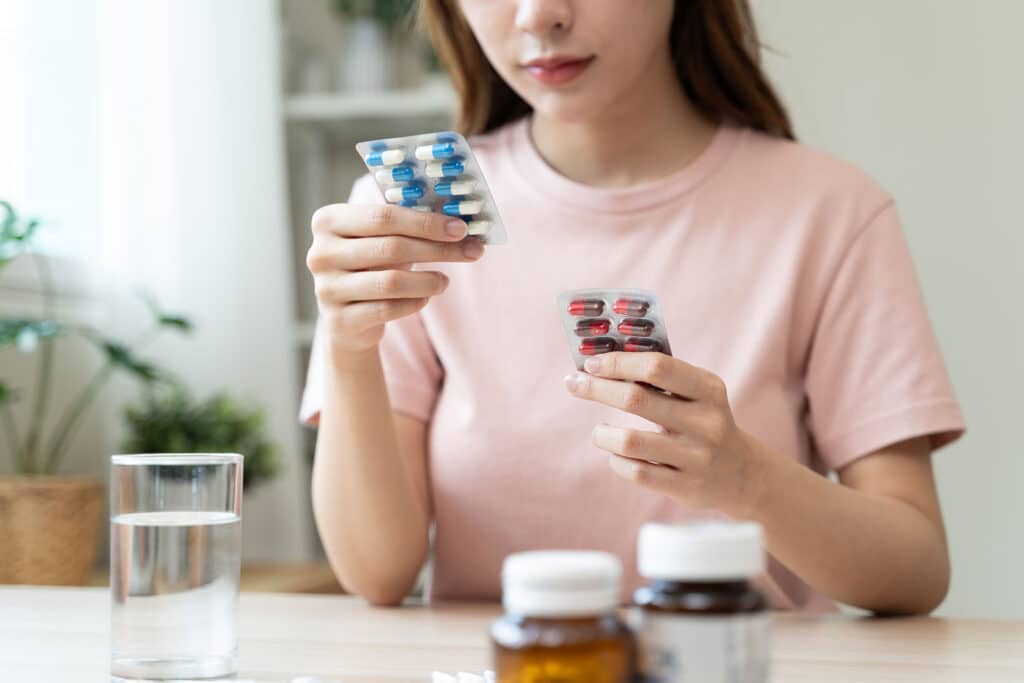
Remember, fluoxetine stays in your system for weeks after you stop taking it. You’d essentially need to quit the medication entirely to have it fully leave your body. Missing even a few doses could disrupt the steady level of medication your brain needs.
Besides, stopping and starting your antidepressant can make your depression worse. You might also experience withdrawal symptoms if you suddenly stop taking fluoxetine. These can include mood changes, irritability, and physical discomfort.
Note: Your individual treatment works best when you maintain regular doses. If drinking feels important enough to skip your medication, that’s a red flag worth discussing with your healthcare provider.
What Happens When You Mix Fluoxetine and Alcohol?
Increased Drowsiness and Sedation
Both fluoxetine and alcohol can make you feel sleepy on their own. When you mix them, this sedative effect becomes much stronger. For instance, you may feel exhausted or struggle to stay alert.
This drowsiness can hit you harder than expected, especially if you’re new to the medication. Some people find themselves falling asleep unexpectedly or feeling foggy throughout the day.
As such, the combined sedation can be dangerous in certain situations. Driving, operating machinery, or doing activities that require focus becomes risky. Even normal daily tasks might feel more difficult when you’re dealing with this level of drowsiness.
Impaired Judgment and Motor Skills
Alcohol affects your coordination and decision-making abilities. Adding fluoxetine to the mix amplifies these impairments.
Your reaction time slows down more than it would with alcohol alone. You might stumble, have trouble with balance, or struggle with tasks that normally come easily. Fine motor skills become harder to execute precisely.

Your judgment also takes a bigger hit. You’ll make decisions you wouldn’t normally make or take risks you’d typically avoid. That’s because the combination affects your ability to assess situations accurately and respond appropriately.
Fact: The impaired motor skills can last longer than you expect. Even after you feel like the alcohol has worn off, the combined adverse effects might still be present.
Worsening Mental Health Symptoms
Perhaps the most concerning effect is how mixing fluoxetine and alcohol impacts your mental health issues. After all, alcohol can counteract the benefits of your antidepressant medication.
How so? For starters, you might notice your depressive symptoms becoming more intense. Anxiety levels spike, and it becomes harder to regulate your emotions and thoughts.
Sure, alcohol can temporarily lift your mood, but its effect is short-lived. Once it leaves your system, your depression or anxiety often comes back stronger. An unhealthy cycle begins, one that can undermine your treatment progress.
For people with co-occurring disorders, this combination poses additional risks. It can trigger cravings and make substance use disorder harder to manage.
Risks of Combining Fluoxetine with Alcohol
Reduced Medication Effectiveness
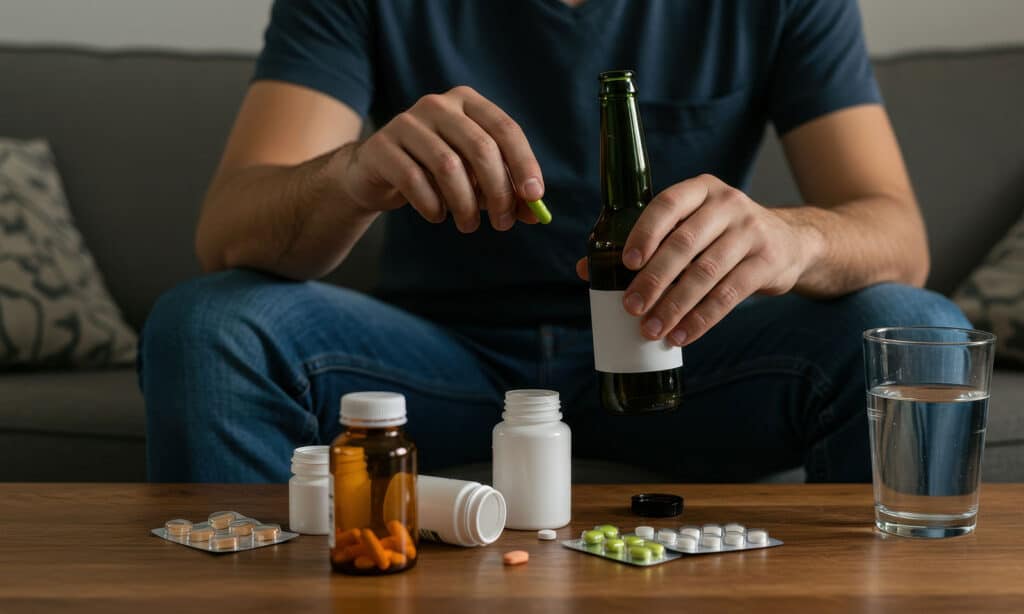
Fluoxetine works best when it maintains consistent levels in your system. Alcohol interferes with this process and can reduce how well your antidepressant works.
When you drink, you’re essentially working against your treatment plan. The medication is trying to stabilize your mood and manage your symptoms. Meanwhile, alcohol is disrupting your brain chemistry in the opposite direction.
Over time, regular drinking can make your mental health symptoms harder to treat. During which your healthcare provider might need to adjust your dosage or try different treatment options. As a result, this delays your progress and extends the time it takes to feel better.
Intensified Side Effects
Common side effects of Prozac include nausea, headaches, and changes in appetite. Alcohol can make all these effects worse.
For example, you might experience more severe gastrointestinal issues when you combine the two. Stomach pain, digestive problems, and nausea become more frequent and intense. Headaches can also feel more debilitating than usual.
In some cases, people notice increased anxiety or jitteriness. Their sleep is more regularly disturbed. They experience weight loss or gain, or at the very least, exhibit changes in their eating patterns.
Increased Risk of Alcohol Use Disorder
People with depression face a higher risk of developing problems with alcohol. When you’re already taking medication for a mental health condition, adding regular alcohol use to the mix harms your well-being.
Alcohol might start as an occasional drink, but it can quickly become a coping mechanism for you. You might find yourself drinking more frequently to manage uncomfortable feelings. This pattern can then develop into alcohol abuse or alcohol addiction.
Additionally, if you’re in addiction treatment or have a history of substance abuse, mixing alcohol with fluoxetine is particularly risky. It can trigger relapse or complicate your dual diagnosis treatment plan.
How Long Does Fluoxetine Stay in Your System?
Fluoxetine has one of the longest half-lives among antidepressants. It can remain active in your body for up to two weeks after your last dose.
Such an extended timeline has both benefits and drawbacks. On one hand, missing a day or two won’t dramatically affect your treatment. The medication will continue to work even if you forget an occasional dose.
On the other hand, it means you can’t simply stop taking fluoxetine for a weekend to drink safely. The drug and its active metabolite stay in your system much longer than most people realize.
In other words, any potential harmful interactions with alcohol will continue for weeks after you stop the medication.
What If You’re Struggling with Both Depression and Alcohol Use?
Dealing with both depression and problematic drinking is a challenging position to be in. These co-occurring disorders often feed into each other, making your recovery more complex.
In some cases, you may be using alcohol to self-medicate your mental health symptoms. In others, your depression might be worsening because of your drinking patterns. Either way, addressing both issues together is the only path toward lasting recovery.
Treatment programs that specialize in dual diagnosis can help. These programs understand the connection between mental illness and substance use disorder. They provide integrated care that simultaneously treats both conditions.
For example, behavioral therapies, such as cognitive behavioral therapy (CBT), work well for co-occurring disorders. These therapies help you develop healthier coping strategies and break the cycle of using alcohol to manage depression.

When to Talk to Your Healthcare Provider
Contact your healthcare provider if you’re experiencing any concerning symptoms while taking fluoxetine. That can include new or worsening side effects, especially after drinking alcohol.
Reach out immediately if you or a loved one has suicidal thoughts or notices significant changes in your mood. These are serious warning signs that require professional attention. Your provider can adjust your treatment plan or explore alternative treatment options.
Don’t wait for a crisis to seek help. Early conversations with a professional mental health care team can lead to better outcomes and safer treatment options. Contact Allure Detox today, so our compassionate team can help you address the challenges you’re facing.
Written by: The Allure Detox Editorial Team
Published on: December 29, 2025
Updated on: March 1, 2026