

After surgery, doctors recommend that patients follow a strict healing regimen: drink plenty of fluids, practice relaxation techniques to reduce stress, keep the surgical incision clean and dry, and avoid alcoholic drinks for several weeks.
The first few instructions are easy to follow, but what exactly does “several weeks” mean when it comes to avoiding alcohol?
This article answers how soon you can drink alcohol after surgery and other important questions, such as how alcohol affects healing, how different surgeries influence recovery timelines, and what risks come with drinking too soon.
Quick answer
For most procedures, wait at least 2 weeks before drinking alcohol, and keep it to 1 or 2 drinks. If you are still taking painkillers or antibiotics, do not drink at all until your doctor clears you.
How Soon Can You Drink Alcohol After Surgery?
Ideally, you’ll want to wait at least two weeks before consuming alcohol. Even then, the amount shouldn’t exceed one or two drinks.

However, this timeline doesn’t apply to everyone and can vary depending on your overall health, the type of surgery you went through, and whether you’re still taking prescription medications like painkillers or antibiotics.
Here’s a general guideline of how long you should wait before drinking alcohol after common surgical procedures, assuming there are no complications and you’re of good health:
Cosmetic Surgery
-
Rhinoplasty (nose job)2–3 weeks
Alcohol can increase swelling and impede healing. -
Liposuction (fat removal)7–10 days
Depends on the extent of the procedure.
Orthopedic Surgery
-
Total Knee Replacement (TKR)4–6 weeks
You’ll likely be on pain medications that interact negatively with alcohol. -
Total Hip Replacement (THR)4–6 weeks
Alcohol can interfere with balance and mobility during healing and may increase the risk of dislocation or delayed bone integration. -
Arthroscopic surgery (knee or shoulder)1–2 weeks
Depends on pain management and swelling.
Abdominal Surgery
-
Hernia repair2+ days
Wait until anesthesia has fully cleared your system. -
Appendectomy2+ days
Longer if taking pain medications.
Heart or Brain Surgery
-
Coronary bypass surgery2+ weeks
Longer if taking pain medications. You may need to quit alcohol entirely, as it has negative effects on the heart. -
Brain surgeryConsult a doctor
Healing can take up to a year or more, depending on the complexity of the surgery. You may need to quit alcohol entirely during this period, as it can impair cognitive recovery and exacerbate symptoms.
Dental Surgery
-
Simple tooth extraction48–72 hours
-
Wisdom tooth removal72 hours–1 week
-
Dental implantsIdeally 1–2 weeks
72 hours minimum. -
Root canal treatment48–72 hours
Until inflammation subsides and medication clears. -
Bone graft / sinus lift2+ weeks
Alcohol impairs new bone growth and healing.
Liver Surgery
-
Liver resection3+ months
During this time, the liver is growing to replace what has been lost. -
Liver transplantAvoid entirely
Not recommended to drink alcohol, even after healing. This is especially true if the transplant was due to alcohol-related liver disease.
Note that the guide above should be taken only as a general guideline. Some people heal faster than others, allowing them to safely resume alcohol consumption sooner, while others may need a longer recovery period before it’s advisable.
To be safe, consult your doctor or surgeon before drinking alcohol after surgery. You may feel okay on the outside, but your body might still be healing on the inside.
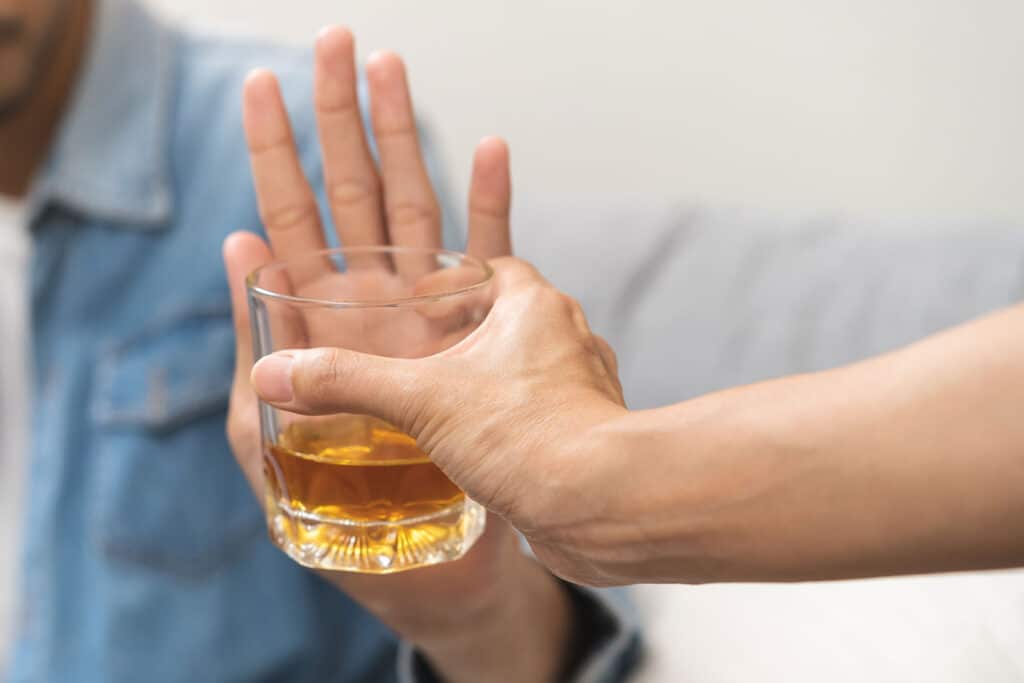
What Are the Risks of Drinking Alcohol Too Soon After Surgery?
Drinking alcohol shortly after surgery isn’t recommended for various reasons:
Delayed Healing
Alcohol can impair the body’s ability to form new tissue and blood vessels, which are essential for wound healing.
Increased Bleeding
Alcohol can trigger excessive bleeding, hemorrhage, or blood loss, either internally or externally through a natural opening (mouth, ear, nose, urethra, vagina, anus, or the surgical site). Alcohol interferes with the blood’s ability to clot.
Negative Interactions With Medications
Alcohol interacts negatively with pain medications, antibiotics, and sedatives. If the body has traces of these medications, you may experience nausea, vomiting, drowsiness, liver stress, respiratory depression, and even overdose.
Weakened Immune Function
Alcohol suppresses the immune system, making your body less able to fight off infection. A weakened immune system increases the risk of post-operative infections, especially at incision sites or internal surgical areas.
Higher Risk of Falls and Injury
Many people experience poor coordination or balance after surgery, especially if the surgery is orthopedic or neurological in nature. Alcohol further impairs mobility and increases the risk of re-injury or surgical failure.
Other Complications
Alcohol impacts the heart, lungs, and liver. Drinking post-surgery can result in high or low blood pressure, irregular heart rate, aspiration pneumonia, or digestive bleeding. As a diuretic, it also causes dehydration, which slows healing and increases fatigue.

Tips for a Safe Recovery
Here are some tips to follow to help your body heal efficiently and reduce the risk of complications after surgery:
- Follow your doctor’s instructions closely. Take medications exactly as prescribed, attend follow-up appointments, and ask before resuming alcohol, exercise, or specific foods.
- Eat a balanced, nutrient-rich diet that includes protein, leafy greens, and whole grains. Avoid processed foods and excess sugar, as they can cause inflammation.
- Drink plenty of water, especially if you’re on pain medication or antibiotics.
- Keep the surgical area clean. Change the dressing every day or as needed. If you notice signs of infection (redness, warmth, pus, or a fever), contact your surgeon immediately.
Can Alcohol Withdrawal Affect Recovery?
If you experience symptoms like sweating, agitation, disorientation, or headache, you might be experiencing alcohol withdrawal. The intensity of these symptoms can increase depending on the severity of the withdrawal, and can make post-surgery healing take longer.
Do not drink alcohol to ease withdrawal symptoms.
Doing so can make things worse and increase your risk of serious health complications. If you think you’re experiencing alcohol withdrawal after surgery, talk to your doctor right away.
Other ways to ease withdrawal symptoms include:
- Drink plenty of water, juices, and sports drinks containing electrolytes. Avoid overly sugary drinks like sodas and caffeine.
- Find ways to relax and distract yourself. Read a book, listen to music, or go for a walk if you’re able.
- Perform deep breathing exercises to re-engage your prefrontal cortex, the part of the brain that helps with reasoning and critical thinking.
- Take any withdrawal or comfort medications exactly as your doctor prescribes. Never self-medicate with alcohol or drugs that weren’t prescribed to you.
- Surround yourself with supportive friends and family who can encourage you to push through your cravings.
- If all else fails, seek professional help from an addiction treatment center like Allure Detox. Behavioral treatments like alcohol counseling can help you develop the skills needed to abstain or at least manage cravings associated with long-term alcohol consumption.
In mild cases, physical symptoms of alcohol withdrawal tend to ease within 24 to 48 hours. Severe withdrawal is different: symptoms such as seizures or delirium tremens can appear 48 to 72 hours after the last drink and require emergency medical care. Psychological symptoms may persist for a couple of months. If you drink heavily and have surgery scheduled, tell your surgical team beforehand so they can plan for safe withdrawal management.

Adhering to prescribed care protocols is key to reducing the risk of complications and maintaining a commitment to sobriety. Keep in mind that drinking alcohol while healing from surgery is strongly discouraged due to the inherent risks it poses, and abstaining or at least significantly reducing alcohol consumption is one of the most effective ways to heal quickly.
FAQs
Can drinking alcohol affect anesthesia during surgery?
Does moderate alcohol consumption affect wound healing?
Are some surgeries more sensitive to alcohol use than others?
Will alcohol dissolve stitches quicker?
How exactly does alcohol affect antibiotics and pain medication?
Written by: The Allure Detox Editorial Team
Published on: June 30, 2025
Updated on: July 30, 2026