

Substance use disorder (SUD) remains a major public health issue in the country, with roughly 40 to 54 million individuals aged 12 and older struggling with some kind of drug abuse problems.
In Florida, families, individuals, and children continue to feel the harmful effects of substance abuse in their communities.
40–54M
Americans aged 12+ struggling with drug abuse
1.5M
Floridians (about 8% of the state) living with an SUD, per SAMHSA surveys
~5,000
Florida overdose deaths in 2024, many involving fentanyl
According to surveys from the Substance Abuse and Mental Health Services Administration (SAMHSA), approximately 8% of the Sunshine State’s population has an SUD. That’s about 1.5 million Floridians suffering from substance misuse.
In 2024 alone, there were nearly 5,000 cases of overdose deaths in Florida, many of which involved synthetic opioids like fentanyl.
Catching the signs of a developing addiction early can make a world of difference. Here’s everything you should know about the stages of addiction, its signs, and the recovery options available.

Understanding How Addiction Develops
As a brain disorder, addiction is driven by a complex blend of genetic, environmental, and psychological aspects. Someone’s risk of developing drug problems can be exacerbated by any one of these factors.
Studies suggest that individuals with relatives diagnosed with drug and alcohol abuse are 40% to 60% more likely to struggle with similar health issues.
Children, in particular, emulate behaviors they learned at home, making them especially vulnerable.
Besides family history, the community a person spends time with can influence their attitude towards alcohol and illicit drugs. Pressure from peers and easy access to substances can increase the likelihood of abuse.
Exposure to trauma, both as a child and as an adult, is also found to contribute to substance use disorder later in life.
Research indicates a clear link between post-traumatic stress disorder (PTSD) and addiction. These are individuals who experienced traumatic events, such as violence, neglect, and family or social conflict.
Moreover, it’s not uncommon for addiction to co-occur with other mental health conditions, such as depression, anxiety, and bipolar disorders.
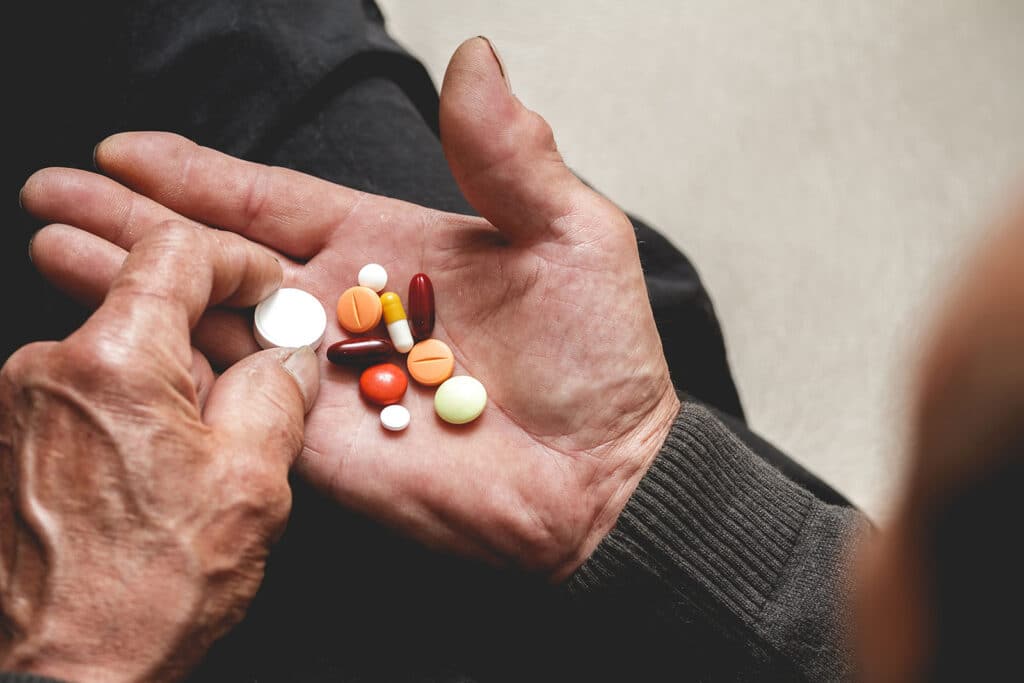
5 Stages of Addiction Development
Healthcare providers identify five stages of SUD development. While these stages generally follow a progression, not everyone experiences them in the same way.
It’s a common misconception, but you don’t have to wait for someone to hit rock bottom before planning an intervention.
Anyone who is showing signs of substance misuse can benefit from professional help. The earlier any of these behaviors is addressed and treated, the better the chances of long-term recovery.
1 Experimentation
This stage refers to the initial use of a substance. It could start as simple and innocent as taking prescription painkillers. To some, abuse begins with a drink at a party or influence from friends and colleagues.
Many try to “self-medicate” to cope with the uncomfortable symptoms of a mental health disorder, while there are others who are simply curious about the experience.
2 Frequent and Risky Use
The reason for the transition from initial use to regular, risky use is different for one person to another. However, “misuse” begins when they no longer take drugs for their intended medical purpose.
At this point, the individual may seek out the substance voluntarily and more frequently to feel its euphoric effects. This is despite knowing the consequences of misusing drugs and alcohol in the long run.
3 Substance Tolerance
Tolerance refers to the body’s decreased response to drugs or alcohol after prolonged, heavy exposure.
Somebody who developed tolerance will no longer experience the same “high” as when they just started abusing a drug. However, that also makes it more dangerous.
Chasing the familiar euphoric effects, the individual may be compelled to consume more of the substance, increasing their risk of accidental overdose.
4 Dependence
Repeated drug and alcohol use eventually alters brain function. Once someone develops tolerance, it indicates that the body has already adapted to the drug’s presence.
Dependence is a condition where the person can no longer function normally without their drug of choice, marked by withdrawal symptoms.
An individual with alcohol dependence, for instance, might find they need to drink to even feel “normal.” Without alcohol in their system, they may struggle to work, socialize, or finish daily tasks.
Still, it’s worth noting that dependence doesn’t necessarily mean addiction.
As an example, people with a particular medical condition may depend on prescription medication and can experience withdrawal, but not struggle with compulsive behaviors unique to SUD.
5 Clinical Addiction
Addiction is characterized by a defined and diagnosable set of symptoms, including a loss of control over substance use.
When someone develops chronic SUD, they become preoccupied with finding more of the substance, often at the expense of their health, career, finances, and relationships.
Spotting Substance Abuse In a Loved One
Drug and alcohol use disorder can come with many symptoms ranging from mild to severe, which can include:
- Inability to stop using or drinking despite wanting to
- Strong cravings for the substance
- Mood swings and irritability
- Isolation and withdrawal from social gatherings
- Sudden loss of interest in hobbies and pastimes
- Continuing abuse despite knowing its consequences
Experiencing withdrawal is perhaps the more obvious indication of addiction.
When cutting back or stopping use of drugs or drinking, they may experience sweating, fatigue, insomnia, tremors, vivid dreams, anxiety, and depression.

Available Treatment Options For Substance Abuse
Rehab centers like Allure Detox are equipped to deal with every stage of addiction using evidence-based care, tailored to the unique needs and the level of care each patient requires to overcome addiction.
Here are some of the interventions and treatments you can access.
Medical Detox
Withdrawal from illicit substances after prolonged, heavy use can lead to uncomfortable and sometimes life-threatening withdrawal symptoms.
Delirium tremens (DTs) is a deadly stage of alcohol withdrawal.
Medically supervised detox helps patients go through withdrawal safely and more comfortably. Healthcare providers monitor and watch over your situation, addressing complications that may arise.
Medication-assisted Treatment
More serious cases of SUD may require medication to manage, based on the severity and type of SUD.
This treatment combines therapies with FDA-approved medications to alleviate discomfort during withdrawal, including naltrexone, methadone, buprenorphine, disulfiram, and acamprosate.
Behavioral Therapies
Therapy is central to achieving long-term sobriety and can be employed by physicians for various reasons.
Cognitive behavioral therapy (CBT), for one, can help identify and resolve problematic thinking patterns reinforcing substance abuse, teaching valuable coping strategies patients can use in their daily lives.
Group therapy is a valuable resource for breaking isolation and finding a reliable support network.
Aftercare Programs
Aftercare is crucial for relapse prevention. These are programs of ongoing care and support commonly provided after rehab to help former patients smoothly transition back into everyday life.
Some common forms of aftercare include group therapies, counseling, sober living, and 12-step programs, such as alcoholics anonymous.
Inpatient vs Outpatient
People seeking rehab can choose between inpatient and outpatient treatment.
Inpatient or residential treatment programs involve living in a facility to receive 24/7 care and support. During their stay, the patient’s complete focus is on recovering from addiction and other comorbid disorders.
With closer access to treatment, inpatient rehab is recommended for individuals living with chronic SUD.
Outpatient rehab, on the other hand, means receiving treatment while living at home. It offers flexibility to individuals who can’t afford to pause their lives to recover from SUD.
Outpatient programs are divided into different tiers, including standard outpatient, partial hospitalization (PHP), and intensive outpatient programs (IOP).

Addiction Recovery Timeline
Overcoming addiction doesn’t happen overnight. Much like its development, recovery follows a gradual process and can vary from patient to patient.
- Weeks 1–2 Acute Withdrawal: During the first two weeks of abstinence, after the cessation of substance intake, the patient goes through uncomfortable withdrawal as the brain tries to stabilize itself.
- Months 1–3 Early Abstinence: A few months into sobriety, it’s common for recovering individuals to experience improved health, mood, and cognitive function.
- Months 3–6 Protracted Abstinence: Three to six months of abstinence is when cravings become less frequent and intense. At this point, they may be able to develop new habits and find new interests.
As individuals progress, the brain rewires itself to normal levels, though some cognitive impairments can persist longer. This is usually where long-term recovery begins.
Helping a Loved One Struggling From SUD
Staging an intervention is one of the most effective ways to help a loved one living with a substance use disorder that’s harming them.
An intervention is a planned conversation designed to break denial, offer support, interrupt the cycle, and provide a clear recovery plan.
Working with a professional interventionist, social worker, psychologist, therapist, or counselor can help you organize a compassionate and effective intervention.
Finding Rehab In West Palm Beach—Allure Detox
SUD is a chronic disease that is difficult to overcome without expert help because it rewires the brain’s reward system. This is why someone who abuses drugs can suffer from dependence and acute withdrawal symptoms.
Allure Detox is a trusted provider of addiction rehab in West Palm Beach, Florida, recognized by The Joint Commission.
We treat alcohol, opioid, stimulant, benzodiazepine, marijuana, and prescription drug addiction, using personalized treatment programs. Our comprehensive approach to rehab ensures you get the level of care you deserve.
Reach out to Allure Detox and take a step toward a sober future today!
Written by: The Allure Detox Editorial Team
Published on: August 17, 2026
Updated on: August 17, 2026