


Kratom extract tablets are more potent than other kratom preparations like powder or tea. If you’ve noticed that quitting them feels worse than expected, that’s because it basically is.
The culprit is 7-OH, a naturally occurring alkaloid in kratom that gets concentrated way beyond natural levels in extract form. Many people compare stopping these tablets to opioid withdrawal.
Here’s why.
What Is 7-OH?
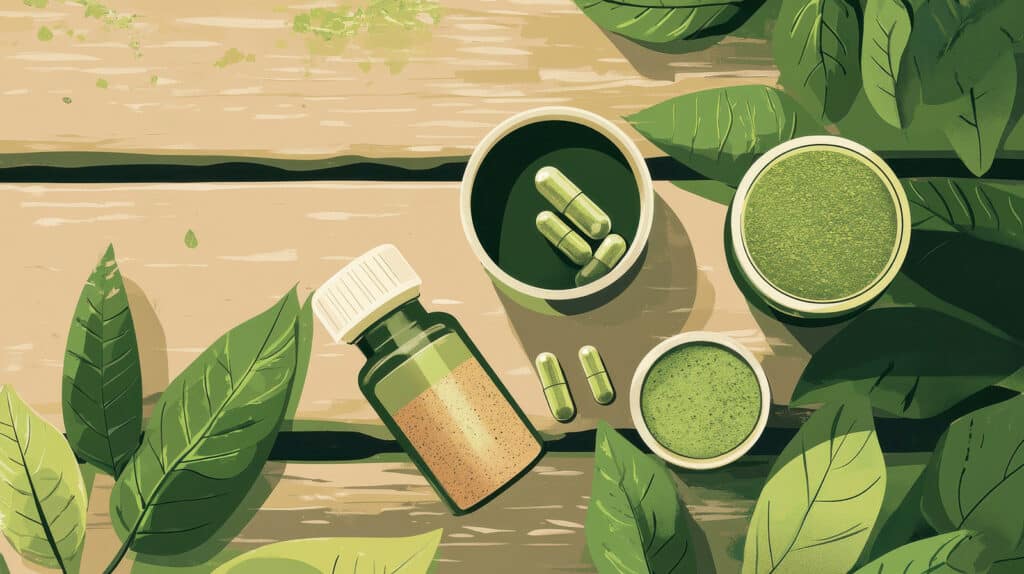
Mitragyna speciosa, the evergreen plant we call kratom, contains dozens of alkaloids, with mitragynine being the main one. Also present is a minor alkaloid called 7-Hydroxymitragynine (7-OH), but only in trace amounts in the raw leaf.
Manufacturers now extract and isolate 7-OH, concentrating it far beyond natural levels. Kratom extract tablets, liquid shots, and gummies often contain dozens of times more 7-OH than traditional leaf powder or brewed tea.
The problem is that 7-OH binds to mu-opioid receptors (even more strongly than mitragynine), the same targets activated by opioid painkillers and heroin. This binding produces opioid-like effects, including pain relief, relaxation, and mood changes.
Why Kratom Extract Tablets Are Harder to Quit?
A person might start using a kratom product without expecting it to cause physical dependence. But concentrated extracts can deliver a much stronger dose of active alkaloids than traditional preparations.
Regular kratom powder gives you a diluted mix of alkaloids that naturally caps its opioid-like effects. Extract tablets blow past that limit. Manufacturers boost 7-OH specifically to create stronger pain relief and more intense high. That’s the selling point—it’s also the trap.
Repeatedly flooding mu-opioid receptors with something as potent as 7-OH builds tolerance. You need more to get the same effect. Before long, you aren’t taking it for its benefits; you’re taking it to avoid the discomfort of not having it. That’s now physical dependence.
Dependence and addiction are related but aren’t identical. Dependence occurs when the body adapts to a substance, causing withdrawal upon stopping. Addiction involves compulsive use, loss of control, and continued consumption despite harmful consequences.
Someone can develop dependence without meeting the full criteria for a substance use disorder. However, persistent cravings, loss of control, and continued use despite harm can be signs of substance abuse.
7-OH Addiction
Many users think kratom is a safer, plant-based alternative for pain management or self-treating opioid use disorder. However, there isn’t enough good evidence to show that kratom is safe or effective for either of those uses.
Concentrated 7-OH extract tablets are a different story. The alkaloid profile has been engineered to be more opioid-like, not less. Since 7-OH acts on opioid receptors, repeated use can lead to tolerance, physical dependence, and addiction.
This led the DEA to temporarily place high-concentration 7-OH products into Schedule I on July 1, 2026. HHS also opened a 30-day window to gather data on public safety thresholds.
Being dependent on kratom extract tablets isn’t a mild habit. It’s a substance use disorder that engages the exact same brain pathways as illicit opioids and demands equal medical seriousness.
Is 7-OH Withdrawal the Same as Opioid Withdrawal?
Not exactly, but they look very similar. Both target the exact same opioid receptors in the brain, so it makes sense that quitting kratom extract pills feels a lot like quitting opioids.
That said, 7-OH withdrawal is not necessarily identical to what someone goes through coming off prescription painkillers or heroin. How bad it gets and how long it lasts depends a lot on the person.
It’s also important to consider what else someone may be taking. Polysubstance use makes withdrawal more dangerous and treatment more complicated. That’s because mixing kratom with alcohol, benzodiazepines, opioids, and other substances introduce additional risks.
Given how much withdrawal varies from person to person, getting professional evaluation is essential before you start tapering or quitting cold. It’s the safest way to know what you’re actually dealing with.
What Does 7-OH withdrawal Feel Like?
Withdrawal experiences vary depending on factors such as how much someone has been using, how often they use it, how long they’ve been using it, and whether other substances are involved.
However, common 7-OH withdrawal symptoms include:
- Anxiety
- Irritability
- Agitation
- Restlessness
- Insomnia
- Sweating
- Chills
- Runny nose
- Muscle aches
- Fatigue
- Nausea
- Vomiting
- Cravings
Some people describe the experience as being both physically uncomfortable and emotionally draining.
The combination of muscle aches, sweating, chills, restlessness, and sleep troubles can make the first part of withdrawal particularly unpleasant. Plus, it’s difficult to concentrate or function normally when you’re anxious and irritable.
People may also experience strong cravings, especially when they’ve become accustomed to taking a product at particular times of day.
For example, someone who regularly takes an extract tablet after waking up may find that simply reaching that time of day triggers an urge to use it. The brain can begin associating certain routines, locations, emotions, or situations with the substance.
Post-Acute Withdrawal Syndrome (PAWS)
Acute withdrawal symptoms usually peak within the first week and start easing after that. Unfortunately for many, a second phase follows: post-acute withdrawal syndrome, or PAWS.
PAWS can drag on for weeks or months, manifesting as lingering anxiety, mood swings, sleep problems, and low motivation.
Your brain chemistry resets more slowly than the body heals physically. It’s one of the biggest reasons people relapse even after they’ve made it through the worst physical symptoms.
When 7-OH Withdrawal Needs Medical Attention
First off, you must never assume that 7-OH withdrawal is safe to manage alone. Severe symptoms, significant dehydration from repeated vomiting, confusion, fainting, respiratory depression, or seizures require urgent medical attention.
Taking multiple substances at the same time is another major concern. A healthcare professional can evaluate what someone has been taking, how frequently they have been taking it, and whether there are other medical or psychiatric concerns that need attention.
What Does 7-OH Addiction Treatment Look Like?
Depending on the situation, kratom addiction treatment might involve different levels of care.
Some people do well with outpatient counseling and regular follow-up appointments. Others may need more structure, such as residential treatment, especially if they’ve tried to quit before and keep going back to the tablets.
Medical Detox
Medical detox gives you supervised care through the acute withdrawal phase. You’re monitored 24/7 to track vital signs, manage uncomfortable symptoms, and keep you safe as your body clears 7-OH.
Depending on how severe the dependence is and whether you have other health issues, medical staff may use targeted medications to ease anxiety, stomach issues, muscle cramps, and insomnia.
Medical detox itself isn’t a cure for dependence. It’s really the first step. The goal is to get you through withdrawal safely and get your body stable enough to move on to longer-term treatment and recovery support.
Medication-Assisted Treatment
For significant opioid-related dependence, Medication-Assisted Treatment (MAT) using medications like buprenorphine or methadone can reduce severe cravings and withdrawal symptoms.
However, MAT is not a universal solution for 7-OH withdrawal. Because these compounds differ from classic opioids, treatment must be tailored to the individual.
An addiction specialist will evaluate usage history, symptom severity, and polysubstance risks to determine if MAT is appropriate.
Never self-medicate with unprescribed medications during withdrawal. The wrong drug, dose, or combination can lead to severe, life-threatening complications.
Residential & Outpatient Programs
After detox, ongoing treatment addresses the psychological roots of addiction and establishes lasting coping strategies.
- Residential Treatment: Provides structured, round-the-clock care away from daily triggers, ideal for severe dependence, co-occurring mental health conditions, or repeated relapse.
- Outpatient Programs: Ranging from Intensive Outpatient Programs (IOP) to individual therapy, these offer flexible support, including CBT and group counseling, while you maintain work or home commitments.
Aftercare & Long-Term Recovery
Achieving physical stability is only the beginning. Sustained recovery requires an ongoing support network to navigate post-acute withdrawal symptoms (PAWS) and prevent relapse.
- Behavioral Therapies: Approaches like CBT reframe thought patterns, manage cravings, and build healthier coping mechanisms.
- Support Groups & Peer Network: 12-step groups, SMART Recovery, or peer support offer ongoing accountability and community.
- Relapse Prevention Planning: Clinical planning identifies triggers, builds support networks, and maintains routine check-ins to safeguard recovery.
What to Do If You’re Ready to Quit 7-OH
Don’t quit cold turkey if you’ve been using concentrated kratom extracts regularly, especially at high doses. You don’t want to risk severe symptoms, including seizures. Talk to a doctor or addiction specialist first.
Look for providers who understand kratom and 7-OH specifically. Not every addiction treatment program has caught up with this trend, so ask direct questions about their experience with it.
Build a support system before you start tapering or detoxing. Withdrawal is physically hard, but the irritability, anxiety, and cravings are the parts that wear people down emotionally.
Expect PAWS and plan for it. Don’t judge your progress by how you feel in week two. Recovery from opioid-like dependence takes months, not days.
Final Thoughts
7-OH withdrawal is harder to quit than regular kratom because the compound itself is more concentrated and more opioid-like than what’s found in traditional leaf.
Pay attention if you’re taking 7-OH regularly and find that you need more to get the same effect, feel sick or uncomfortable when you don’t take it, or keep using despite problems it’s causing.
If any of this sounds familiar, we’re here to help. Allure Detox specializes in helping people safely navigate withdrawal from substances like 7-OH and kratom extracts, with medical support every step of the way.
Reach out to us today to talk through your options.
Written by: The Allure Detox Editorial Team
Published on: September 9, 2026
Updated on: September 9, 2026