


Stepping into the world of substance use, even as an observer, can feel overwhelming. There’s a lot of jargon, a lot of devices, and a lot of potential pitfalls. Today, we’re going to pull back the curtain on snuff bullets – not to sensationalize, but to inform. If you or someone you care about is considering using one, or already is, understanding the true landscape of risks is absolutely paramount. It’s about empowering you with knowledge, so you can make informed decisions and stay safe.
What Exactly is a Snuff Bullet?
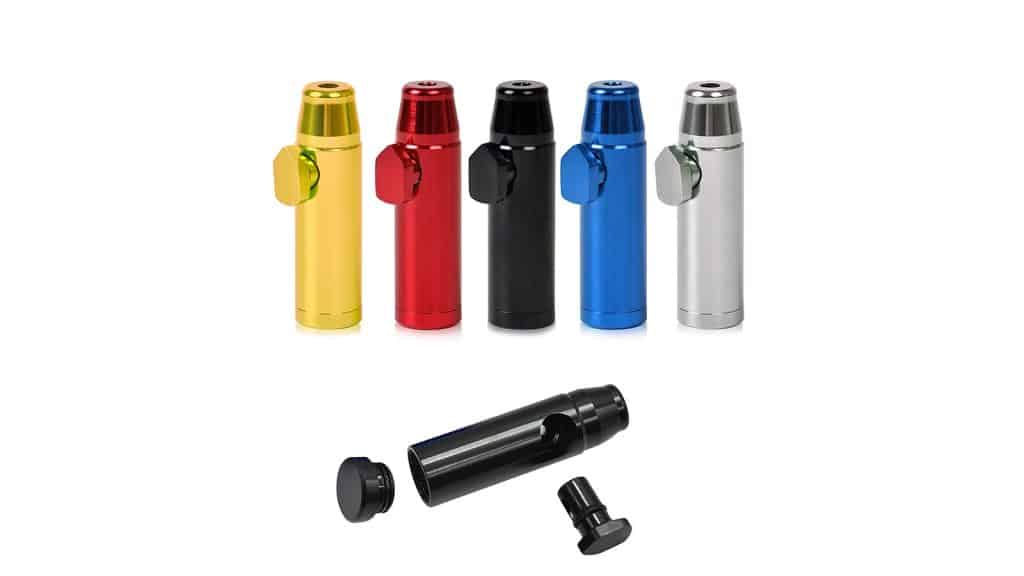
A snuff bullet is a small, portable dispenser designed for storing and administering powdered substances directly into the nostril (a process known as insufflation).
Its core purpose is to provide a discreet and convenient way to carry and use a substance, delivering it in single, pre-measured doses.
How It’s Designed and How It Works
A snuff bullet is typically a small, cylindrical vial made of metal, plastic, or glass. It’s designed for portability and discretion, sometimes small enough to attach to a keychain.
Its function is based on a simple two-part mechanism:
- Storage Chamber: The main body of the device, which holds the powdered substance.
- Dosing Mechanism: A rotating knob, lever, or valve at the top.
When a user operates the mechanism (usually with a twist or a flick), a small, recessed cup or chamber inside the valve collects a small, measured “dose” from the storage chamber. As the user continues to twist, the storage chamber is sealed off, and that small cup rotates to align with an opening at the top.
The user then brings this opening to their nostril and inhales the pre-measured amount. This method avoids the need for separate tools or surfaces.
Context and Common Use
While the term “snuff bullet” originates from its use with nasal snuff (finely ground tobacco), the device is now more commonly associated with the consumption of illicit powdered drugs, such as cocaine. This widespread association led to its common nickname, the ‘Coke Bullet’.
Beyond Cocaine: Other Substances Used in Snuff Bullets
Because a snuff bullet handles any fine powder, it is not limited to cocaine. People also use it for ketamine, a dissociative anesthetic that is snorted in powder form, and for MDMA when it appears as powder or crystal rather than a pressed pill. Crushed benzodiazepine tablets are sometimes insufflated as well, which is especially risky because counterfeit “benzos” bought outside a pharmacy are a common vehicle for fentanyl. Synthetic cathinones, the stimulants sold as “bath salts,” are another powder used this way. Heroin is more often smoked or injected, but powder forms can be snorted too.
The thread connecting all of these is contamination. Any of these powders can be cut with fentanyl without the user knowing, and the bullet’s small, rapid dosing makes that contamination more dangerous, not less. The device treats a lethal powder exactly the same as a relatively predictable one.
A device, not a drug
It’s crucial to understand this distinction: a snuff bullet is purely a delivery mechanism. It’s not a drug itself. Think of it like a spoon for eating soup, or a straw for drinking a beverage. The spoon isn’t the soup, and the straw isn’t the drink. Similarly, a snuff bullet isn’t the substance being ingested. This might seem obvious, but it’s a foundational point because the dangers stem from what is put into the bullet, and how the bullet facilitates its use.
The Inherent Dangers of Ilicit Drug Use
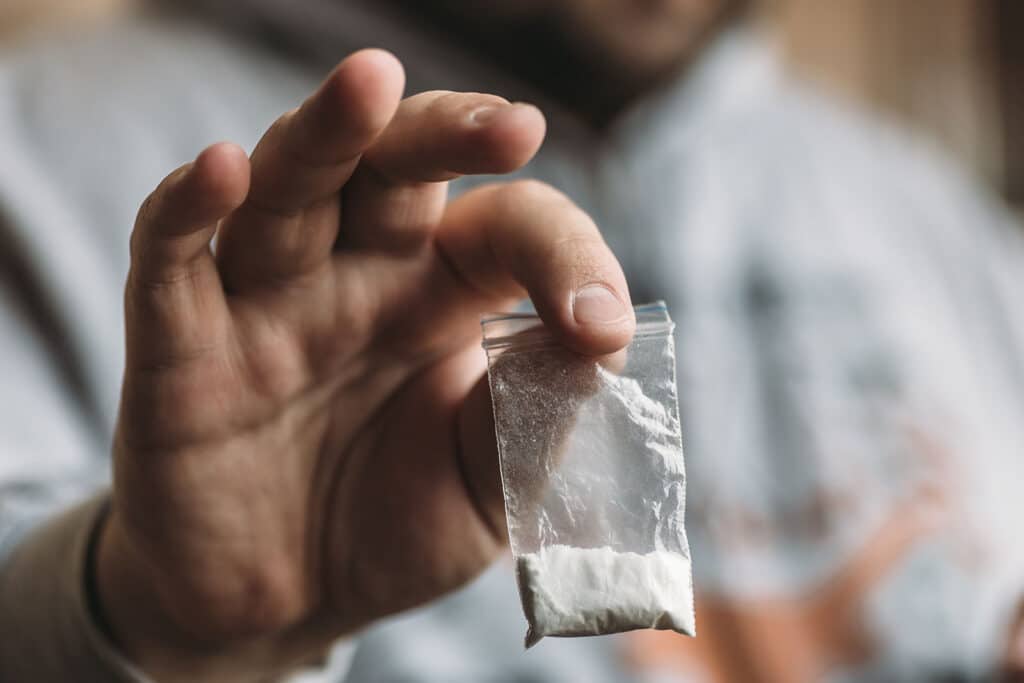
The primary reason someone uses a snuff bullet is to ingest powdered substances, and often, these are illicit drugs. The very nature of these substances carries significant and well-documented dangers, regardless of the delivery method.
Cocaine’s well-documented risks
Cocaine, for instance, is a powerful stimulant. Its effects can be immediate and intense, creating a euphoric rush. However, this rush comes at a steep price. Cocaine use can lead to serious cardiovascular problems, including heart attacks, strokes, and irregular heart rhythms, even in seemingly healthy individuals. It can also cause severe psychiatric issues like paranoia, anxiety, and psychosis. Long-term use often results in damage to nasal tissues, leading to chronic nosebleeds, loss of smell, and even perforation of the nasal septum. Addiction to cocaine is incredibly powerful, quickly taking over a person’s life and leading to devastating consequences.
Fentanyl: A silent killer
Then there’s fentanyl. If you haven’t heard about fentanyl, you need to. It’s a synthetic opioid that is 50 to 100 times more potent than morphine. Even a tiny amount, barely visible to the naked eye, can be lethal. The terrifying reality is that fentanyl is increasingly being mixed into other illicit drugs, often without the user’s knowledge. Imagine thinking you’re taking cocaine, but it’s been contaminated with fentanyl. A snuff bullet, designed for small, rapid doses, becomes an incredibly efficient way to deliver a fatal amount of this silent killer. This hidden danger makes using any illicit powdered substance a deadly gamble.
Short-Term and Long-Term Effects of Snorting Drugs
The effects of using a snuff bullet depend on what is in it, but they fall into two broad groups.
Short-term effects appear within minutes. With stimulants like cocaine or “bath salts,” people may feel euphoric, energetic, talkative, and less hungry, alongside a faster heart rate, raised blood pressure, anxiety or paranoia, and trouble sleeping. With depressants and dissociatives like benzodiazepines or ketamine, the picture is closer to sedation, confusion, impaired coordination, and a sense of detachment. Either way, the snorting route itself causes immediate local effects: burning, a runny nose, and nosebleeds. The most serious short-term risk across all of these is overdose, which fentanyl contamination can trigger from a single dose.
Long-term effects build with repeated use. The nose and sinuses take the most visible damage: chronic congestion, recurring sinus infections, loss of smell, and in serious cases a perforated septum, the hole in the wall between the nostrils that cocaine in particular can cause by starving the tissue of blood. Beyond the nose, stimulant use strains the heart and is linked to lasting mental health effects including depression, anxiety, and in heavy use psychosis, as well as difficulties with attention and memory. Across substance types, the central long-term risk is dependence and addiction, which can take hold well before the physical damage becomes obvious.
Why Snuff Bullets Amplify These Dangers
So, we know illicit drugs are dangerous. But how does a snuff bullet specifically make things worse? It boils down to two critical factors: control and cleanliness.
Inconsistent dosing: A roll of the dice
The design of a snuff bullet, while appearing to offer a “measured” dose, is actually incredibly imprecise in the context of potent substances. There’s no standardization, no quality control. The amount of powder dispensed can vary dramatically depending on how tightly the chamber is packed, the fineness of the powder, and even the angle at which the bullet is held.
Think about it like this: if you were taking a prescribed medication, you’d use a precise measuring spoon or count pills exactly as directed. You wouldn’t just eyeball it. With a snuff bullet, you’re essentially eyeballing a dose of an unknown potency, often with a substance that could be laced with something far more dangerous. This inconsistent dosing is particularly perilous with drugs like fentanyl, where the difference between a high and an overdose is microscopically small. Each twist of that bullet is literally a roll of the dice with your life.
Hygiene nightmare: Sharing is caring, for germs
Beyond the drug itself, there’s the unsanitary aspect. Snuff bullets are often shared among users. This practice transforms a seemingly harmless device into a vector for disease. When a bullet is used, it comes into direct contact with nasal membranes, which are rich in blood vessels and mucus. Sharing means sharing bodily fluids, however minute. This creates a direct pathway for bloodborne and respiratory infections. Hepatitis C is the best-documented risk from shared snorting equipment, since damaged nasal lining bleeds easily, and bacterial and viral infections that cause sinusitis and other respiratory illness can spread the same way.
Beyond the Drugs: Other Snuff Bullet Hazards
The risks aren’t limited to the substances themselves or germ transmission. There are other, often overlooked, dangers associated with the physical act of using a snuff bullet.

Physical injury: More than just a bump
The risks of using a snuff bullet involve more than just the side effects of the substance being consumed. The device itself can cause significant physical injury.
Repeated insertion of a hard object—the dispenser—into the nostril causes trauma to the delicate nasal passages. This isn’t a minor discomfort; it can lead to chronic irritation, inflammation, and frequent nosebleeds. This constant irritation can also make you more vulnerable to recurring sinus infections.
These health issues are severely compounded by the substance itself, particularly when snorting cocaine. The drug is not only corrosive to these sensitive tissues but also restricts blood flow, starving the nasal septum (the wall dividing your nostrils) of oxygen.
This dangerous combination of mechanical injury from the bullet and chemical damage from the drug can lead to a septal perforation—a hole in your nose. This is a serious medical condition requiring surgery, which can permanently impact breathing and your sense of smell.
Furthermore, this localized damage occurs alongside the serious systemic risks of the drug, which can include dangerous spikes in blood pressure and heart rate.
Legal ramifications: A costly mistake
Legal ramifications: A costly mistake Let’s not forget the legal side. Across many jurisdictions, simple possession of a snuff bullet can be classified as possessing drug paraphernalia. The legal trouble intensifies if the item contains drug residue or, worse, an illicit substance, leading to severe penalties. This can quickly escalate from a minor infraction to serious criminal charges, especially if authorities suspect intent for sale or distribution. The consequences are not trivial, ranging from steep fines to potential imprisonment, culminating in a permanent criminal record that can haunt you for years. This can affect employment opportunities, housing, and even educational prospects. A moment of perceived convenience can lead to a lifetime of legal and financial burden.

The “For Tobacco Use Only” Loophole
This is also why snuff bullets are so easy to buy. The device has a legal use for nasal tobacco snuff, so retailers and gas stations often sell it with a “For Tobacco Use Only” label. That disclaimer is what lets these products sit openly on shelves and ship freely online, since on paper they are tobacco accessories rather than drug paraphernalia.
The label does not protect the user, though. Once a bullet carries drug residue, or once there is other evidence of intent to use it with an illicit substance, it can be treated as paraphernalia regardless of what the packaging said. How that plays out varies by state and local jurisdiction, so this is general information rather than legal advice, but the disclaimer is a marketing workaround, not a legal shield.
Recognizing the Signs of Substance Misuse
If you’re concerned about someone, knowing what to look for can be crucial. Substance misuse manifests in various ways, impacting both behavior and physical health.
Behavioral changes to watch for
Pay attention to sudden shifts in personality or daily habits. Someone struggling might become secretive, withdraw from friends and family, lose interest in hobbies they once loved, or neglect responsibilities at work or school. You might notice unusual mood swings, increased irritability, or unexplained financial problems. They might also start associating with a new, less reputable group of friends.
Physical indicators of concern
Physically, look for changes like dilated or constricted pupils, bloodshot eyes, changes in sleep patterns (insomnia or excessive sleeping), significant weight loss or gain, poor hygiene, and frequent nosebleeds or sniffles unrelated to allergies or a cold. Track marks on arms or legs (though less relevant for snuff bullets, it’s a general sign of drug use) or persistent nasal irritation are also red flags.
Treatment Options for Substance Abuse
Treatment depends heavily on which substance a person is using, and a snuff bullet can deliver several. For stimulants like cocaine, withdrawal is mainly psychological rather than medically dangerous, so the priority is stabilization and safety (the low mood and intense cravings of the “crash” can include suicidal thoughts), followed by behavioral treatment. There is currently no FDA-approved medication for stimulant use disorder, so care relies on therapy and structured support. When the powder is an opioid such as fentanyl or heroin, the picture changes: medically supervised withdrawal and medications like buprenorphine, methadone, or naltrexone become central, because opioid withdrawal is both more dangerous and more treatable with medication.
Inpatient recovery at residential treatment centers provides 24/7 support and structure, ideal for severe addictions. Outpatient recovery programs offer flexibility for those with work or family obligations while still providing intensive care.
Evidence-based therapies form the foundation of treatment:
- Cognitive Behavioral Therapy (CBT) helps identify and change destructive thought patterns
- Dialectical Behavior Therapy (DBT) teaches emotional regulation and coping skills
- Behavioral counseling addresses underlying trauma and triggers
- Contingency management rewards positive behaviors
Peer support groups like Narcotics Anonymous provide community connection, while relapse prevention planning and aftercare coordination ensure long-term success. Professional treatment combines these approaches into personalized recovery plans.
Remember: seeking help is a sign of strength, not weakness. Recovery is possible with the right support.
A Guide for Parents, Teachers, and Friends
If you are worried about someone, how you raise it matters as much as whether you do.
Choose the moment. Bring it up when the person is sober, calm, and in private, never during or right after use and never in front of others. Lead with concern rather than accusation. “I’ve noticed you haven’t seemed like yourself and I’m worried about you” opens a door that “I found this in your room” slams shut. Expect denial the first time, and treat the conversation as the start of an ongoing dialogue rather than a single confrontation.
For parents. Keep talking about substances early and without drama, know the signs of use, and store your own prescription medication securely, since pills are a common starting point. If you find a device, stay calm; reacting with anger usually buys secrecy, not honesty.
For teachers and school staff. Follow your district’s protocols, loop in a counselor or nurse rather than handling it alone, document what you observe factually, and avoid confronting a student publicly. Your goal is to connect them to support, not to build a case.
For friends. Say what you have noticed, share resources, and avoid covering for them or making excuses, which only removes the consequences that prompt change. You can care about someone and still set boundaries about what you will and will not be part of.
Know what an emergency looks like. If someone is unresponsive, has slow or stopped breathing, or has blue lips or fingertips, call 911 immediately. Because fentanyl contamination is now so common across powders, it is worth keeping naloxone (Narcan) on hand. It is available over the counter, reverses an opioid overdose, and is harmless if opioids turn out not to be involved. Fentanyl test strips are another low-cost harm-reduction tool where they are legal.
Seeking Help: Resources and Support
If you or a loved one is struggling with cocaine addiction, please know that help is available and recovery is possible. You don’t have to face this alone.
- National Helpline: The Substance Abuse and Mental Health Services Administration (SAMHSA) offers a confidential national helpline: 1-800-662-HELP (4357). They provide referrals to treatment centers, support groups, and community services.
- Local Healthcare Providers: Talk to your doctor or a trusted medical professional. They can offer guidance, resources, and a detox specialist.
- Support Groups: Organizations like Narcotics Anonymous (NA) and Cocaine Anonymous (CA) offer invaluable peer support in a judgment-free environment.
Taking that first step is often the hardest, but it’s also the most courageous. Reach out. There’s a path to health and safety, and people who want to help you find it.
Frequently Asked Questions
Are snuff bullets illegal?
How do you clean a snuff bullet?
Written by: The Allure Detox Editorial Team
Published on: November 2, 2025
Updated on: September 24, 2026