


Thanks to the hit AMC TV show Breaking Bad, many people wonder: Can meth really be blue? The show, which featured a former chemistry teacher named Walter White producing a pure form of blue crystal methamphetamine, popularized the idea that blue meth is not only real, but purer and more potent. But how much of that is fiction, and what is based on reality? This article explores the facts about blue meth, its real-world implications, and the dangers associated with methamphetamine use.
The Fictional Origins of Blue Meth
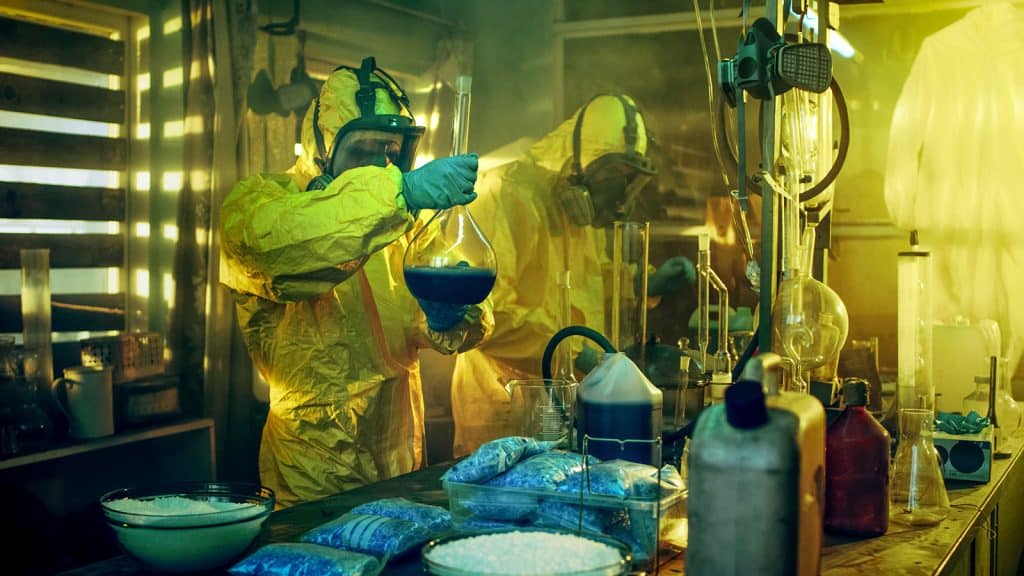
In Breaking Bad, Walter White creates a unique blue form of meth nicknamed “Blue Sky.” According to the storyline, this blue meth is a purer and more powerful product that dominates the illicit drug market. While the show’s dramatic portrayal captured public imagination, in real life, pure methamphetamine is typically clear, white, or off-white, not blue.
Can Meth Really Be Blue?
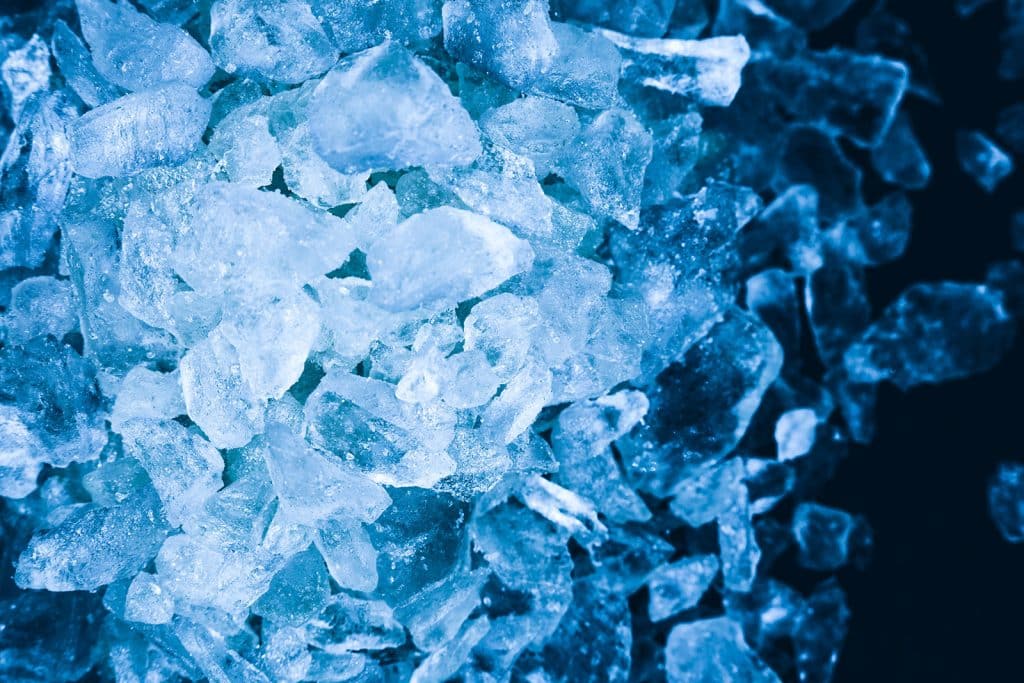
Yes, meth can appear blue, but the color is not an indicator of purity or potency. Blue meth is typically the result of additives, dyes, or chemical impurities introduced during the meth production process. Drug dealers may add food coloring or other substances to make the drug appear unique or to mimic the popular imagery from the TV show.
Important Warning: All forms of methamphetamine are illegal and extremely dangerous. The color of the drug does not change the risks of overdose, long-term brain damage, or death. Blue meth, in particular, is often a sign of contamination that makes the drug even more harmful.
Dangers of Blue Meth in the Real World
While the blue color may seem novel, it can be a sign of contamination or poor manufacturing processes. Impurities in methamphetamine can increase the risk of harmful side effects, such as:
- Elevated heart rate and blood pressure
- Psychosis or hallucinations
- Violent behavior
- Dangerous changes in body temperature
- Severe weight loss, dental problems, and long-term health decline
Meth abuse—regardless of the drug’s color—can quickly lead to addiction, mental health problems, and long-term substance abuse issues.
Meth Production and Impurities
Illicit meth is often produced using dangerous chemicals in unsafe, unregulated environments. These harmful processes can lead to contamination, making meth appear blue, green, or even pink — colors that signal dangerous impurities, not quality. The Drug Enforcement Administration (DEA) continues to crack down on domestic meth labs and international drug traffickers exploiting pop culture to market dangerous drugs.
Treating Methamphetamine Addiction
If you or a loved one is struggling with meth addiction, there are evidence-based treatment programs available. These include:
- Inpatient and outpatient addiction treatment
- Behavioral therapy
- Medical detox and mental health support
Healthcare providers emphasize the importance of early intervention, as prolonged meth use can lead to severe psychological and physical damage.
Recovery is possible, and support is available. If you or someone you know is struggling, contact a licensed healthcare provider or call a confidential helpline such as SAMHSA’s National Helpline (1-800-662-HELP) for guidance and referrals to local treatment centers.
Conclusion
While meth can sometimes be blue in color, this is rarely a sign of quality—instead, it often indicates the presence of additives or impurities. The iconic blue meth from Breaking Bad remains a fictional concept rooted in storytelling, not science. In reality, meth — regardless of its color — is illegal, highly addictive, and dangerous. If you suspect drug use or addiction in someone you care about, the most important step is to seek help through licensed treatment programs, support groups, or medical professionals who specialize in recovery.
FAQs
Is blue meth stronger than regular meth?
Can pure meth be blue?
What should I do if I find blue meth?
Written by: The Allure Detox Editorial Team
Published on: July 31, 2025
Updated on: March 5, 2026