


What Is Suboxone?
Suboxone is a medication that physicians prescribe to treat those addicted to opioids. It treats addictions to opioids that have been prescribed by a physician as well as the illicit type, and it is highly effective. Treatment centers use Suboxone in their medication-assisted treatment or MAT programs for the purpose of relieving the withdrawal symptoms that abstinence from opioids cause. It also discourages drug use by reducing the cravings.

Suboxone contains Buprenorphine and Naloxone.
Buprenorphine partially activates the opioid receptors, so it is known as a “partial opioid agonist.” Prescription drugs and heroin fully activate opioid receptors, but since Buprenorphine partially activates these receptors, it gives the person just enough of the opioid to relieve the person’s withdrawal symptoms and cravings but not enough to create a high. This has the effect of discouraging the person from continuing to seek and consume drugs.
Naloxone is an opioid antagonist, and its purpose is to prevent users from injecting Suboxone so that they can obtain a high. If an individual is dependent upon opioids, the Naloxone will prevent the person from becoming high, but it may accelerate withdrawal symptoms.
How Is Suboxone Used?
At Allure Detox, we will place you or your loved one in our opiate detox where we can enter you into our MAT program. If you are addicted to prescription pain pills or heroin, our physician will prescribe Suboxone because these are “short-acting” opioids. For long-acting opioids, we may prescribe Buprenorphine only.
In the first phase, withdrawal symptoms appear, and they are particularly uncomfortable and sometimes dangerous. Suboxone alleviates these symptoms so the patient can rest comfortably while their body stabilizes. As our medical staff monitors progress, the patient transitions into the maintenance phase at the appropriate time. From there, the physician gradually lowers the Suboxone dose at a safe pace, with the goal of eventually eliminating the medication when the patient is ready.
According to addiction specialist Dr. Adam Bisaga, this approach is effective because patients aren’t fighting withdrawal symptoms or cravings while they focus on recovery.

Treatment Phases and What to Expect
Suboxone treatment significantly reduces overdose risk and improves treatment retention compared to detox alone. A study of 40,885 adults found buprenorphine or methadone reduced overdose risk by 59% at 12 months versus inpatient detox or behavioral interventions alone.
The process typically includes three distinct phases:
- Induction Phase (Days 1-7): Your physician determines the optimal Suboxone dose to eliminate withdrawal symptoms and cravings without producing sedation.
- Stabilization Phase (Weeks to Months): Your dose is adjusted as needed while you engage in counseling and rebuild your life. Most patients find stability within the first few weeks.
- Maintenance and Tapering (Individualized): Treatment duration varies—some individuals benefit from 6-12 months, while others require longer-term maintenance. Your physician will evaluate your stability, life circumstances, and risk of relapse before beginning a gradual taper.
Who Is a Candidate?
Suboxone is most effective for individuals dependent on short-acting opioids (heroin, oxycodone, hydrocodone). You may not be a candidate if you’re pregnant (alternative medications exist), have severe liver disease, or are currently using benzodiazepines without medical supervision. Our medical team will conduct a comprehensive assessment to determine the best treatment approach for your specific situation.

How Does Suboxone Help Addiction?
Our staff can administer Suboxone throughout treatment as it is needed. By doing so, the medication assists someone throughout the different stages of treatment. No matter where people are on their journey toward sobriety, Suboxone will help them remain focused on their treatment until they reach it. They are not craving their drugs of choice because of Suboxone, but they also need to obtain a comprehensive recovery plan that we can provide at Allure Detox.
It is important to know what someone might expect on Suboxone treatment. Suboxone is a depressant, and depressants prevent seizures, relieve muscle spasms and also relieve anxiety. They do this by slowing the body’s central nervous system down. In contrast, stimulants speed up the messages that the brain and the body send to each other.
Because Suboxone is a depressant, you may experience the following:
- Relaxation
- Less worrying
- Reduced levels of stress
- A feeling of well-being and calmness
- Relief from pain
How Is Suboxone Administered?
A healthcare provider will prescribe Suboxone, while in the MAT program, the medication will be administered by our staff. After our clients leave the MAT program, they are expected to follow their doctors’ directions when taking their medication. It will either be administered as a tablet or through the Suboxone Film.
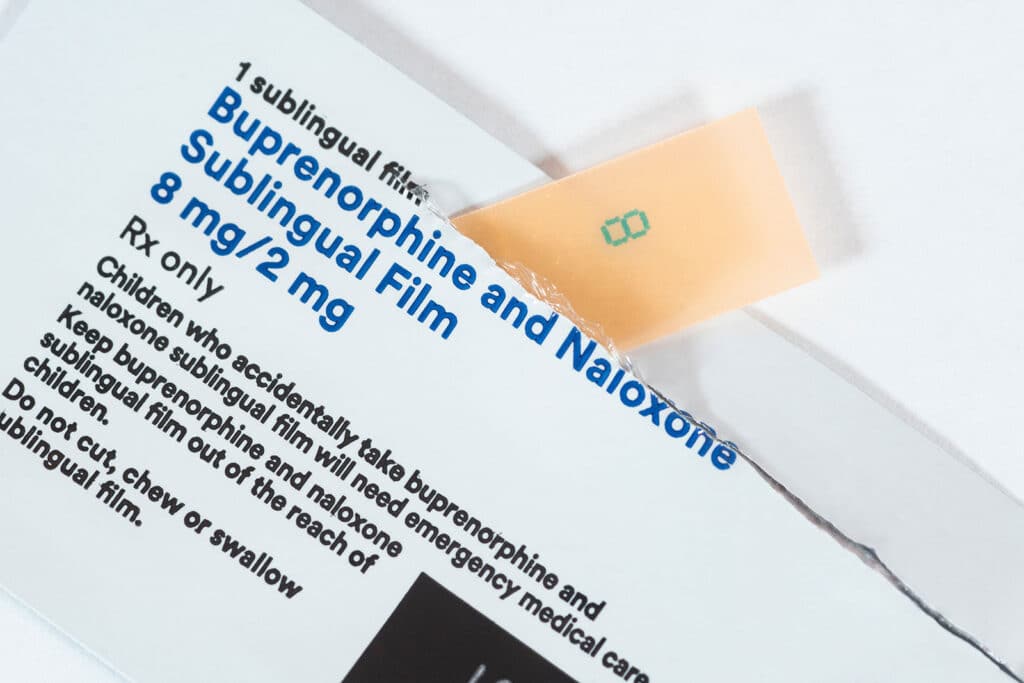
The Suboxone Film
People administer the Suboxone Film by placing the sublingual film underneath their tongues so that the correct amount of medication can enter the body. They must allow the medication to dissolve. If they swallow the film or chew it, it may not be as effective. They must also refrain from talking while the film is in their mouths. Talking may prevent the medicine from being properly absorbed by the body.
When the physician determines it’s time to taper off Suboxone, the dose will be gradually reduced until the medication is no longer needed.
Can Suboxone Cause Dependence?
It’s important to understand the difference between physical dependence and addiction. Addiction involves compulsive drug-seeking, loss of control, and continued use despite harm. Physical dependence simply means the body has adapted to a medication; stopping abruptly will cause withdrawal symptoms. Many legitimate medications cause physical dependence, including some antidepressants and blood pressure medications.
Suboxone does cause physical dependence, which is why tapering off should always be done gradually and under medical supervision. However, because buprenorphine has a “ceiling effect” that prevents users from getting high at higher doses, Suboxone is far less likely to cause addiction than the opioids it replaces.
Risk factors for misusing Suboxone include:
- Concurrent use of benzodiazepines or alcohol
- History of polysubstance abuse
- Obtaining Suboxone outside of a supervised medical program
What Are the Common Side Effects of Suboxone?
If a healthcare provider prescribes Suboxone for a client, the client should not stop taking it without discussing it with their physician or prescriber first. If the client fails to do this, he could experience negative side effects and may begin to endure the following opioid withdrawal symptoms:
- Diarrhea
- Jittery feelings
- Insomnia
- Dilated pupils
- Irritability
- Muscle pain
- Joint pain
It’s important to note that starting Suboxone too early, before opioids have cleared your system, can cause precipitated withdrawal, which involves sudden and intense withdrawal symptoms. Your healthcare provider will carefully time your first dose to avoid this.

The other common side effects someone may experience with Suboxone include the following:
- Constipation (one of the most frequently reported)
- Headache
- Drowsiness
- Low energy levels
- Stomach pain
- Sweating
- Vomiting
- Flu-like symptoms
Serious but rare side effects include respiratory depression (slowed breathing), particularly when Suboxone is combined with alcohol or sedatives. This can be life-threatening and requires immediate medical attention.
If you experience side effects that may have been caused by Suboxone, these need to be reported to your healthcare provider immediately.
Does Anything Interact with Suboxone?
If you take Suboxone with some supplements, herbal remedies or other types of medicines, the interaction can cause negative side effects. Some of these substances include the following:
- Verapamil
- Oral contraceptives
- Niacin
- Drugs used to treat HIV
- Fluoxetine
- Medicines that lower cholesterol

What Is the Treatment for Opioid Use Disorder?
Taking Suboxone and going through the detoxification process is not considered to be treatment for an opioid use disorder (OUD). The full addiction treatment program begins with detoxification, but it must continue with therapy that keeps you or a loved one from indulging in their drug of choice. If you are seeking Suboxone treatment in West Palm Beach, you will find it at Allure Detox.
At Allure Detox, we can offer dual diagnosis treatment. Someone with a dual diagnosis has a substance use disorder as well as a mental health disorder that needs to be treated at the same time. If this doesn’t happen, treatment for either condition will not be as effective.
According to the National Institute on Drug Abuse, about half of people who experience a mental illness will also experience a substance use disorder at some point in their lives, and vice versa. The disorders that often coexist with substance use disorders include post-traumatic stress disorder, panic disorder and generalized anxiety disorder. They also tend to co-occur with antisocial personality disorder, borderline personality disorder, psychotic illness, attention-deficit personality disorder, bipolar disorder and depression.
Because substance use disorders often co-occur with mental health disorders at such a great rate, our Suboxone treatment center in West Palm Beach will evaluate you for a co-occurring mental health condition. Then, we will develop a treatment plan for the mental health condition and the substance use disorder and treat them at the same time. Our professionals have extensive knowledge about the environmental, neural and genetic factors involved with these medical conditions, so they can develop the most appropriate remedies for treating them.
We will use both medications and behavioral therapies to treat mental health conditions and opioid use disorders. Some of the behavioral therapies include cognitive behavioral therapy, dialectical behavior therapy and whatever else may seem appropriate.

Conclusion
If you or your loved one are struggling with opioid dependence, Suboxone treatment offers a proven path to recovery. At Allure Detox, our healthcare providers specialize in medication-assisted treatment options that address both the physical and psychological aspects of opioid use disorder.
Our comprehensive approach combines buprenorphine treatment with behavioral therapies and psychosocial support, giving patients the best chance at long-term recovery. Whether you’re dependent on prescription painkillers, heroin, or fentanyl, our medical team will develop an individualized treatment plan that meets your specific needs.
Don’t let opioid addiction control your life any longer. The risk of overdose and the devastating effects of opioid dependence can be overcome with proper medical care and support. Contact Allure Detox today to speak with our healthcare providers about treatment options and take the first step toward recovery. Our team is here to help you or your loved one begin the journey to lasting sobriety.
FAQs: Common Questions About Suboxone Treatment
Is Suboxone just replacing one addiction with another?
Does taking Suboxone mean I’m not truly sober?
Will I be on Suboxone forever?
Is Suboxone treatment effective?