

Of all the drugs one can withdrawal from, alcohol might have the worst symptoms. Detoxification from alcohol can be dangerous, even deadly under the most extreme circumstances. Because alcohol withdrawal symptoms can be so hazardous to your health and especially severe for chronic alcoholism, the National Institute of Health says this concerning alcohol detox:
Patients should be kept calm in a controlled environment to try to reduce the risks of progression from mild symptoms to hallucinations. (NIH)
With that said, it’s always recommended that detoxing from extreme alcohol abuse should be done under the supervision of trained medical professionals, such as the clinical team we’ve assembled at Allure Detox in West Palm Beach, Florida.
How to Relieve Alcohol Withdrawal Symptoms
Withdrawals occur after the continuous heavy drinking occurring weeks or months in a row. Enzymes that the body makes to break down alcohol increase with tolerance, and once the body is without, the overload of enzymes sends the body into detox. Alcohol withdrawal symptoms include:
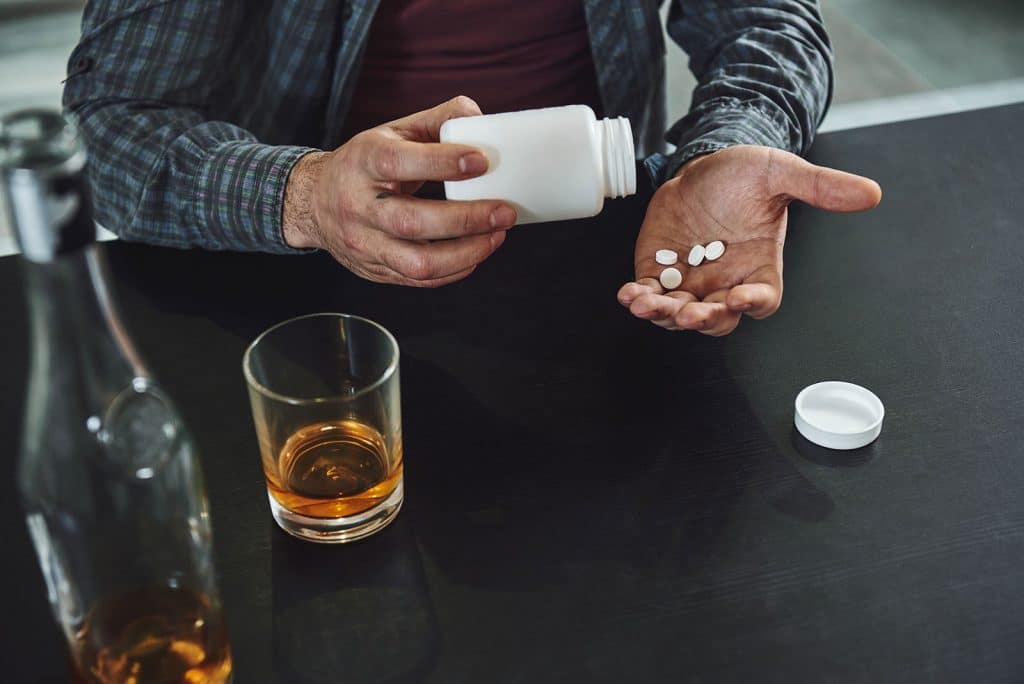
- Sweating
- Anxiety
- Depression
- Hallucinations
- Tremors
- Seizures
- Nausea
The most severe of these symptoms require hospitalization and subsequent prescriptions to avoid long-term health consequences. While professional medical detox is always the safest option, the following over-the-counter items may help manage some mild discomfort. They are not a substitute for medical evaluation.
Over-the-Counter Medication to Ease Alcohol Detox
Here is a list of over-the-counter medications that one can take to alleviate alcohol detox symptoms.
These are ONLY supportive measures DURING medically-supervised detox, never as alternatives to medical care.
- Water – First and foremost, the body will need loads of water while going through alcohol withdrawal symptoms. This will help to flush the system of toxins and provide much-needed rehydration. Plenty of water is a good idea anytime, but especially during detox.
- Proper Nutrition – Alcohol consists of empty calories, which offer the consumer zero nutritional value. Also, how healthy are the things we often eat while intoxicated? Usually, the intoxicated person will opt for whatever is easy and tasty in such a reduced capacity. A chronic alcoholic may go years into this harmful cycle of booze and various forms of fast food. Giving the body the wholesome food it needs during the detox process can only help, not hurt.
- Dramamine – A common over-the-counter medication used to treat nausea or motion sickness; Dramamine can help keep down the food and water the body needs when it’s purging of toxic chemicals. Dramamine can be found for $10 or less at almost any drug store.
- Vitamin B – Intense drinking deteriorates the body and deprives it of vitamins, especially vitamin B. Long-term vitamin B-1 deprivation over time can lead to a severe condition called Korsakoff’s syndrome, also known as ‘wet brain,’ and is a form of alcohol-related brain injury. Make sure to have plenty of B-1 on hand (also known on some bottles as Thiamine) when the alcohol is ready to go for a chronic abuser! Vitamin C can also help alleviate detox symptoms by healing the body and uplifting one’s spirits in the trying times.
- Kudzu – This is an ancient Asian herb that has been known to reduce alcohol cravings and symptoms of alcohol withdrawal since 600 AD. Some small studies suggest that kudzu taken before drinking may reduce how much people drink. Blogs are calling this supplement “the natural Antabuse.”
MEDICAL WARNING: Never attempt to detox from alcohol at home. Alcohol withdrawal is a serious medical condition that can be dangerous and even deadly. Unsupervised withdrawal can lead to severe complications, including seizures, hallucinations, and delirium tremens (DTs).
The only safe way to detox from alcohol is under the care of medical professionals, who can monitor your symptoms and provide life-saving treatment.
The over-the-counter items and nutritional tips listed below are NOT treatments for alcohol withdrawal. They are NOT alternatives to medical care.
This list describes supportive measures that a medical team may recommend to help your body recover during or after a professional, medically-supervised detox program. Do not take any new medication or supplement, including those listed here, without first consulting the medical team managing your care. Some OTC medications can have dangerous interactions or mask serious symptoms.

What Can I Do for Alcohol Detox?
Unfortunately, not many tried and proper supplements work consistently for everyone other than the ones listed above. Alcohol has a profound effect on the body and is inconsistent in individuals depending on genetics.
Some people can drink more than others and not feel hangovers or chronically and not feel withdrawal symptoms. Either way, alcoholism is a severe disease that affects millions, and help is all around you… if you know where to look. Allure Detox is ready and standing by if you or a loved one are ready for medically-supervised detoxification that genuinely minimizes the painful alcohol withdrawal symptoms.
FAQ
My husband is trying to detox from alcohol and has terrible shakes. What can he do?
Written by: The Allure Detox Editorial Team
Published on: March 30, 2021
Updated on: September 24, 2026