

Over the past two decades, Americans of ages, genders, social backgrounds, and demographics have been exposed to what has primarily become known as a nationwide epidemic. Opioid abuse, addiction, and overdose have mostly taken the country by storm, and nearly 130 American citizens currently lose their lives to opioid overdose every day. Heroin largely fuels the epidemic, but prescription opioid narcotics – like codeine – are also responsible for a significant number of overdose-related deaths.
What is Cold Water Extraction of Codeine?
Codeine Cold Water Extraction (CWE) refers to the misuse of combination medications in an attempt to isolate codeine for recreational use. While people believe this reduces the risks of other ingredients, it is an unsafe and illegal practice that often fails to remove harmful substances and greatly increases the risks of addiction and overdose.
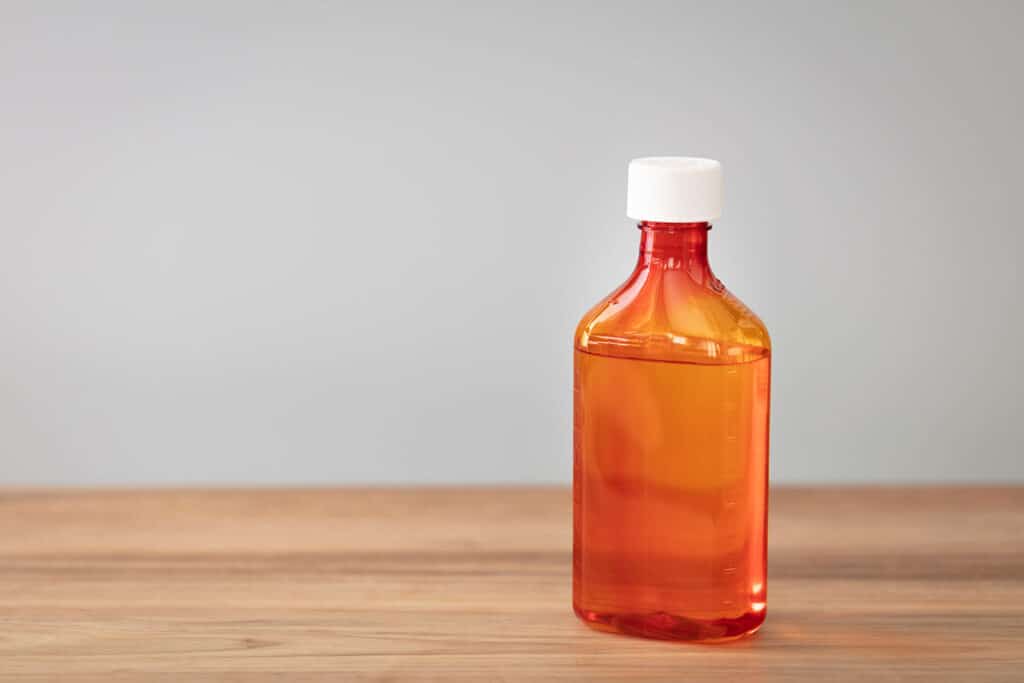
This practice is considered high-risk and poses significant public health concerns due to the dangers of opioid toxicity, overdose, and dependence.
Why Do People Use Cold Water Extraction?
Many over-the-counter (OTC) and prescription combination analgesic products contain codeine phosphate along with acetaminophen (paracetamol) or ibuprofen. Since consuming high doses of these non-opioid ingredients can cause severe liver toxicity (acetaminophen) or stomach ulcers and kidney damage (ibuprofen), CWE is used to reduce these risks while isolating codeine.
People may attempt CWE on prescription or over-the-counter products that combine codeine with other medications. This kind of tampering is unsafe and does not guarantee removal of toxic ingredients.
Warning: CWE is not foolproof and does not guarantee complete removal of toxic substances.
How Do People Learn About Cold Water Extraction?
Most people who attempt CWE learn the process through online information shared on internet forums and drug-related communities. These forums circulate detailed recipes and instructions, creating a false sense of safety around the practice.
Beyond online sources, word of mouth communication between peers — particularly among individuals in active addiction — plays a significant role in spreading CWE techniques. Some individuals also report learning about extraction methods through print media, television coverage, or interactions with pharmacy staff who may unknowingly provide clues about codeine product formulations.
The widespread availability of this information normalizes a dangerous practice and contributes to increased codeine-containing medicine misuse. If you or someone you know has been researching extraction methods online, this is a serious warning sign that warrants professional intervention.
How Does Cold Water Extraction Work?
Some people wrongly believe they can use water solubility to ‘separate’ ingredients. In reality, this process is unreliable and often leaves behind harmful levels of toxic substances, while also concentrating the opioid in dangerous ways.
CWE is often described online as a step-by-step process, but sharing or attempting these instructions is extremely unsafe. Even when people try to filter or separate ingredients, dangerous amounts of acetaminophen or other substances can remain. This puts individuals at risk of acute liver failure, overdose, or death.
Is Cold Water Extraction a Harm Reduction Strategy?
Some individuals view CWE as a harm reduction strategy — a way to minimize hepatotoxicity and paracetamol overdose risk while continuing codeine use. This belief is fundamentally misguided. CWE is not a recognized risk minimisation strategy, and no clinical evidence supports it as safe.
Genuine harm reduction strategies for opioid dependence include medically supervised opioid substitution treatment medications such as methadone and buprenorphine, combined with structured addiction treatment. These approaches address dependence through proper risk assessments and evidence-based public health responses — not unregulated self-medication.
Even among individuals who inject extracted codeine solutions, microfilters for injecting drug users do not eliminate dangers from tablet fillers, which can cause pulmonary emboli, vein damage, and injection site infections. The only effective path to reducing harm from codeine misuse is professional treatment.
Dangers & Risks of Codeine CWE
Although CWE is intended to reduce toxic effects from other analgesic products, it still carries serious risks:
1. Overdose & Respiratory Depression
- CWE isolates codeine, which the liver metabolizes into morphine.
- Large doses or combining with alcohol, benzodiazepines, or other CNS depressants increases the risk of fatal respiratory depression.
2. Liver Toxicity Risk Still Exists
- Incomplete filtration can still leave toxic amounts of acetaminophen in the solution.
- Over 4g of acetaminophen per day can cause acute liver failure, which may be fatal.
3. Increased Tolerance, Dependence & Addiction
- Repeated use of CWE-extracted codeine increases tolerance, leading to higher doses over time.
- This can result in opioid dependence and withdrawal symptoms.
4. Public Health Concerns
- OTC access to codeine combination analgesics has led to concerns in clinical toxicology and addiction medicine.
- Many countries (e.g., UK, Australia, Canada) have restricted access to codeine-containing OTC products due to the rise in misuse.
| Risk | Danger | Outcome |
|---|---|---|
| Incomplete filtration | Toxic levels of acetaminophen/ibuprofen remain | Acute liver failure, kidney damage, death |
| Dosage variability | Different brands, temperatures, and filters yield inconsistent results | Unpredictable codeine concentration, overdose risk |
| Tablet fillers in solution | Binders and fillers not removed by CWE | Vein damage, pulmonary emboli (if injected) |
| Injection of extracted solution | Unsterile solution with particulate matter | Injection site infections, abscesses, sepsis |
| No quality control | No way to verify what remains in solution | Unknown quantities of multiple active ingredients |
| Respiratory depression | Concentrated codeine metabolized into morphine | Slowed or stopped breathing, fatal overdose |

Important Warning: Attempting to alter medications through cold water extraction is illegal and highly dangerous. There is no safe or medically approved way to perform CWE. Misuse of codeine in any form carries risks of dependence, life-threatening withdrawal, overdose, and long-term health damage.
Side Effects of CWE-Extracted Codeine
Even when using CWE, codeine still carries risks:
- Drowsiness & confusion
- Nausea & vomiting
- Constipation
- Dizziness & low blood pressure
- Itchy skin & allergic reactions
- Severe withdrawal symptoms if used frequently
What Factors Drive Codeine Tampering?
Several factors contribute to tampering of codeine-containing medicines through cold water extraction:
Drug market supply — When heroin supply decreases or illicit opioids become harder to obtain, some individuals turn to over-the-counter CCM or prescription-only CCM as substitutes, using CWE to increase potency.
Doctor shopping — Visiting multiple prescribers to obtain larger quantities of codeine products enables higher-dose extraction.
Diversion from legitimate use — What begins as pain management can escalate into misuse when tolerance develops, driving individuals toward tampering methods like CWE.
Online drug forums — Accessible extraction instructions on online drug forums lower the barrier to tampering and normalize the behavior.
Lack of tampering-resistant formulations — Unlike some reformulated opioid products, many codeine combination products lack tampering-resistant formulations, making them easy targets for extraction.
Low risk awareness — Many users underestimate the dangers, believing CWE makes codeine use safe, perpetuating the cycle of misuse.
Regulations & Restrictions on Codeine
Due to the high-risk potential of opioid extraction from combination analgesic products, many governments have tightened regulations:
- United Kingdom – Codeine is no longer available OTC; prescription required.
- Australia – As of 2018, all codeine-containing products require a prescription.
- Canada – Codeine-containing OTC medications are limited in availability.
- United States – Codeine is a Schedule II-V controlled substance, depending on formulation.
Cold Water Extraction is a method used to separate codeine from combination painkillers, but it is not a safe practice. Even with filtration, toxic ingredients may still remain, and the extracted codeine still carries overdose and addiction risks.
If you or someone you know is struggling with opioid use, seek professional help. Treatment options, including medication-assisted therapy (MAT) with methadone or buprenorphine, can help manage opioid dependence safely.
Addiction to Codeine Requires Professional Help
If you or someone you know has been abusing codeine, seeking professional help is critical. Allure Detox is available to help you or your loved one take the first step on the lifelong road to recovery – medical detox. However, you might have a sneaking suspicion that someone you love has been grappling with codeine addiction, but you still might not be sure. If you are unsure, several signs will unquestionably indicate that your loved one needs treatment.
Codeine Cold Water Extractions Mean You’re Addicted to Codeine
How do you know that treatment has become a necessity? There are several ways to tell that treatment has become necessary and that codeine use has developed in substance abuse. One of the best ways to tell is to observe whether or not your loved one has been using the medication other than as prescribed – for example, crushing and snorting codeine in its tablet form or engaging in codeine cold water extraction (cwe). What is codeine cold water extraction? Essentially, this is one of many unsafe ways people tamper with codeine to misuse it. Because this practice is not straightforward or safe, people often research it online — a warning sign of potential substance misuse that should not be ignored.
Cold Water Extractions Are Not a Safe Way to Use Codeine
People who abuse codeine in this way extract the drug from over-the-counter cough syrup that contains codeine, either codeine/paracetamol 8/500mg or codeine/ibuprofen 12/200mg. Codeine cold water extractions increase the drug’s potency by removing all acetaminophen in the tablets, leaving pure codeine to abuse and get high on. This is absolutely an indication of a drug abuse problem – one that requires professional treatment. How do you tell if someone you love is using the cold water extraction method? The best way to tell is by looking through your loved one’s browser search history. Most people who use this method will need to research it extensively online because it is certainly not a straightforward – or safe – process.

Allure Detox and Codeine Addiction Recovery
If you or someone you love has been abusing codeine in any capacity, seeking professional help is necessary – and medically monitored detox is always an essential initial step. Allure Detox offers a comprehensive and unique program of medical codeine detox, seeing as we tackle the root cause of addiction along with the physical and psychological symptoms of codeine withdrawal. Call us today to learn more about our detox program or get you or your loved one started on a long-term journey of codeine addiction recovery.
FAQ
What is Codeine?
Can cold water extraction be used with opioids other than codeine?
What are tablet fillers and why are they dangerous in cold water extraction?
Written by: The Allure Detox Editorial Team
Published on: February 21, 2021
Updated on: February 12, 2026